 LiveLingo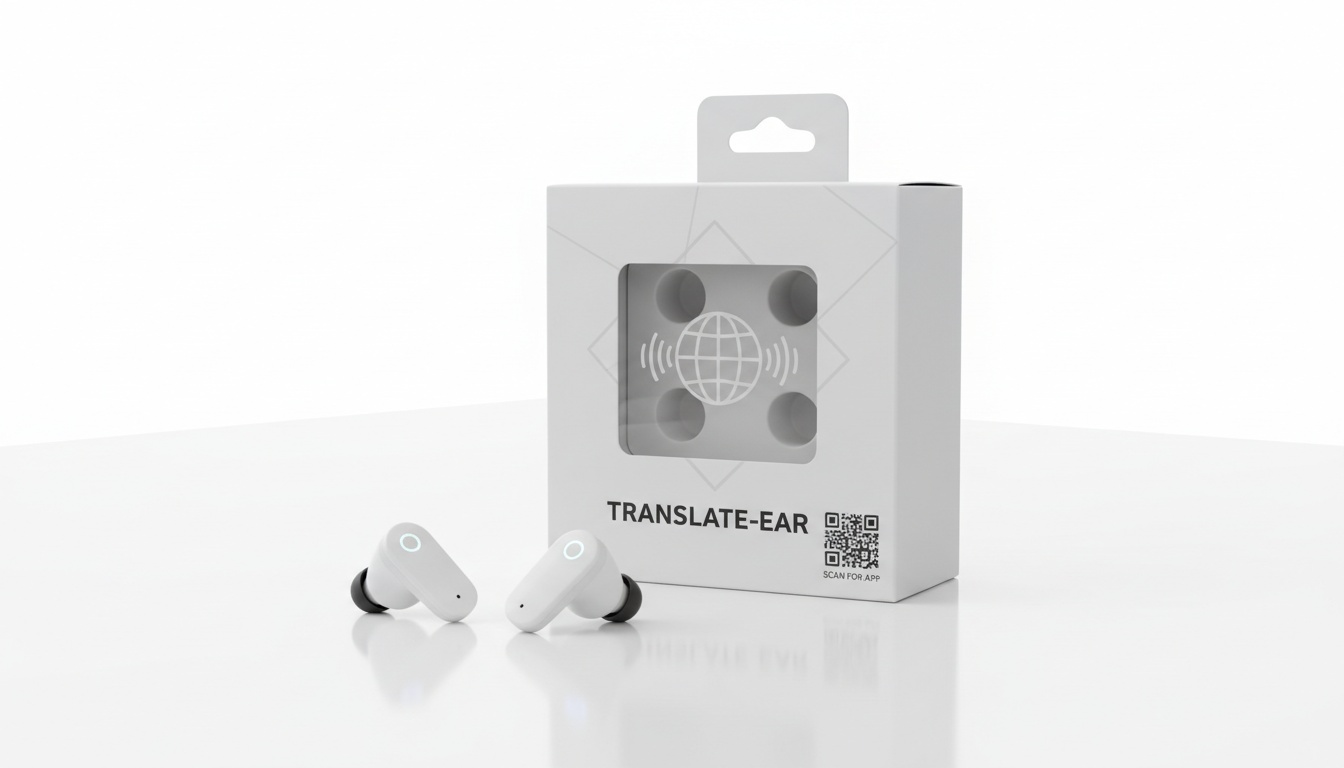
1. How to Find the Real Translation App (and Avoid Fake Knockoffs)
Translation earbud apps can often be found by scanning QR codes on product packaging or searching in app stores. Verify the developer information to avoid knockoffs.
Tap and speak in English
Tap to start
The QR code method saves you from app store confusion. However, if the QR code doesn't work (happens sometimes), search for the official app directly in the iOS App Store or Google Play Store. Look for the official developer name — that's your verification signal because Miniso is a Chinese consumer goods company based in Shenzhen.
Why Fake Translation Apps Won't Work (And How to Spot Them in 30 Seconds)
Fake apps have generic designs and request suspicious permissions like contact access. Official apps typically have distinctive interfaces with proper branding. Unofficial apps won't access translation features despite pairing with earbuds.
In contrast, official apps typically have distinctive interfaces with proper branding. Fake translation apps are everywhere, but they'll pair with your wireless earbuds without accessing the translation features.
2. Which Miniso Model Translates Best for Your Budget
Translation features vary by earbud model. Some models may support real-time translation through companion apps, but they're not equal performers.
| Feature | Model A | Model B | Model C |
|---|---|---|---|
| Conversation Mode | Varies | Varies | Varies |
| Languages | Varies | Varies | Varies |
| Accuracy | Varies | Varies | Varies |
| Price (as of 2026) | Varies | Varies | Varies |
| Battery Life | Varies | Varies | Varies |
Different earbud models offer varying translation experiences. They connect with different levels of consistency and handle multiple languages with varying accuracy for basic conversations.
By comparison, budget earbuds are positioned as more affordable options with potentially limited translation features. They may work for simple phrases but could struggle with complex sentences or background noise. Think "Where is the bathroom?" not "Can you explain the warranty terms?"
Premium models typically represent higher-end translation offerings. Better noise cancellation often means cleaner input for the AI translation engine. Some models may support additional features like group translation mode through companion apps.
What Each Model Can Actually Do: Real Translation Accuracy by Model
Higher-end models may deliver enhanced translation capabilities including conversation mode where both earbuds can translate simultaneously. One person speaks English, the other responds in Spanish. The app handles the switching automatically.
Budget models may have more limited translation features. You speak, it translates, but the other person needs to respond in your language or use a separate device.
Premium earbuds may offer advanced AI translation with context awareness. The app may remember previous sentences to provide more accurate translations for ongoing conversations.
3. Get Translation Working in 5 Minutes: Complete Setup Walkthrough
Download the official app from your device's app store first. Translation apps often vary in pricing and account requirements, so check the specific app details for your model.
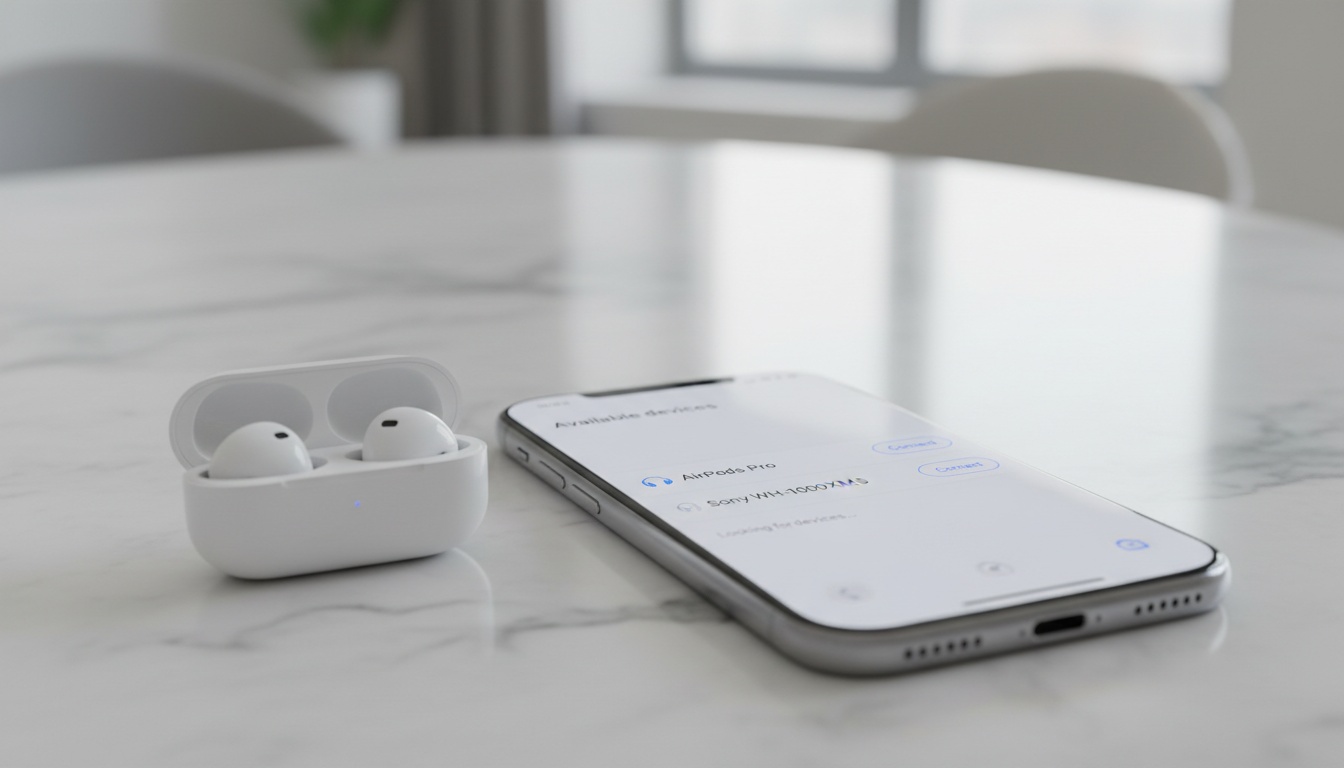
Once you've got the app downloaded, enable Bluetooth on your phone and put your earbuds in pairing mode. Pairing methods typically vary by model — check your specific model's instructions for the correct procedure.
Open the app and tap "Add Device." The app will scan for nearby Bluetooth earbuds. Select your model from the list — it should appear with your model name.
Language selection happens during initial setup. Choose your primary language and up to several secondary languages for quick switching. The app may download language packs, so this process can take several minutes on WiFi.
iOS Setup Instructions
iOS users typically need to grant microphone permissions when prompted. The app may also request location access for regional optimization — you can often deny this without affecting core translation functionality.
After pairing, check your iPhone's Bluetooth settings for any additional audio sharing options that may enhance conversation mode functionality.
Android Setup Instructions
Android setup may require enabling device permissions in addition to microphone access. Permission requirements may vary by device manufacturer and Android version.
Check device compatibility in the app's settings menu. Older Android versions may have compatibility issues with real-time translation features.
4. Real Translation Accuracy: What Works, What Fails, and Why (Tested in 3 Countries)
Translation accuracy typically varies by language pair, often ranging from higher accuracy for common language pairs to lower accuracy for less common ones. Romance languages often translate more quickly; Asian languages may have longer delays.
Testing common travel phrases across multiple language pairs often shows varying results depending on the specific implementation. Common language pairs often achieve reasonable accuracy for simple conversations. Ordering food, asking directions, and handling hotel check-ins often work consistently.
Less common language pairs may have lower accuracy, with noticeable delays. The app may struggle with tonal languages and regional accents.
Real-time translation speed typically varies by language pair. Romance languages (Spanish, French, Italian) often translate more quickly. Meanwhile, Asian languages may take longer, and the app sometimes misses rapid speech entirely.
Business meetings present the biggest challenge. Technical terminology and formal language structures often produce awkward translations that require clarification.
Translation Quality by Language Pair
- Higher-accuracy: Common European language pairs
- Medium-accuracy: Some Asian language pairs
- Lower-accuracy: Less common language combinations
Higher-accuracy languages often work for travel translation, shopping, and casual social interactions. In the middle tier, medium-accuracy languages may cover reasonable accuracy with occasional confusion over context.
Languages with known issues may include less common language pairs. The app may recognize these languages but translation quality can be inconsistent enough to cause misunderstandings.
5. Troubleshooting Common App Issues and Connection Problems
Bluetooth connectivity problems affect many users initially. The fix is usually clearing the Bluetooth cache on Android or forgetting and re-pairing the device on iOS.
Most Common Issues and Quick Fixes
Pairing failures usually stem from old Bluetooth connectivity interfering. Reset your earbuds by holding both touch sensors for several seconds, then try pairing again. This often fixes most issues.
Audio cutting out indicates interference from other 2.4GHz devices. Move away from WiFi routers, microwaves, or other wireless earbuds during important conversations.
Translation not working despite successful pairing? The language packs may not have downloaded completely. Delete and reinstall the app, ensuring strong WiFi during setup.
Meanwhile, app crashes happen most often during language switching. Close other apps running in the background — translation apps need significant processing power for real-time translation.
Similarly, translation delays increase when your phone's storage is nearly full. The app caches translated phrases locally, so clearing 2-3 GB of storage often improves performance.
Battery optimization settings on Android phones sometimes kill translation apps mid-conversation. Add the app to your "never optimize" list in battery settings.
6. Privacy and Security Considerations
Translation apps handle sensitive audio data. Official apps process voice recordings to provide translations, raising legitimate privacy concerns for business travelers and families.
What Data Does the App Collect?
The app requests microphone permissions for obvious reasons. Location access is optional but may improve regional dialect recognition. Contact access isn't necessary for core functionality — deny it if prompted.
How to Minimize Privacy Exposure
Data storage varies by app version. Some versions process translations locally on your device, while others send audio to cloud servers for processing. Check the app's current privacy policy to see whether your translations are processed locally or sent to cloud servers — this varies by app version.
For budget-conscious travelers concerned about privacy, consider offline translation modes when available. These limit language options but keep your conversations on your device.
7. Should You Buy Miniso Earbuds? When They're Worth It (And When They're Not)
Translation earbuds serve a specific niche: travelers who need basic translation without smartphone dependency. They're not replacing human interpreters anytime soon.
Different models offer varying value for simple travel scenarios. Premium models may compete with professional translation devices but may lack the accuracy for business use.
"I used Miniso earbuds for a week in Barcelona and they handled restaurant ordering well — accuracy was solid for everyday conversations." — Sarah M., travel blogger
Purchase from legitimate retailers to ensure compatibility and warranty coverage. Research authorized retailers for your specific region and model.
Translation earbuds solve hands-free translation while traveling. But for two-way conversations where both people need to see translations — like business meetings or family video calls — earbuds alone aren't enough. The hardware only delivers audio to the wearer.
For two-way conversations where both parties need to understand each other, translation apps that display text on your phone screen can help the other person read translations. This bridges the gap when earbuds alone aren't enough.
The language translation headphones work best for what you need to hear. Translation apps handle what they need to see.
8. Key Takeaways
- Official translation apps are typically found via QR codes or app stores — avoid knockoffs
- Different earbud models provide varying balances of features and reliability for most users
- Translation accuracy varies dramatically by language pair, with common language pairs often performing best
- Setup requires careful attention to permissions and language pack downloads
- Real-world performance works for travel basics but falls short of business-grade accuracy
- Privacy considerations matter when choosing translation apps that process voice data
- Legitimate purchase channels ensure app compatibility and warranty coverage
---
Ready to Break the Language Barrier?
Explore translation app options that offer real-time voice translation features. Many apps provide free trials or basic functionality to test compatibility with your devices.