 LiveLingo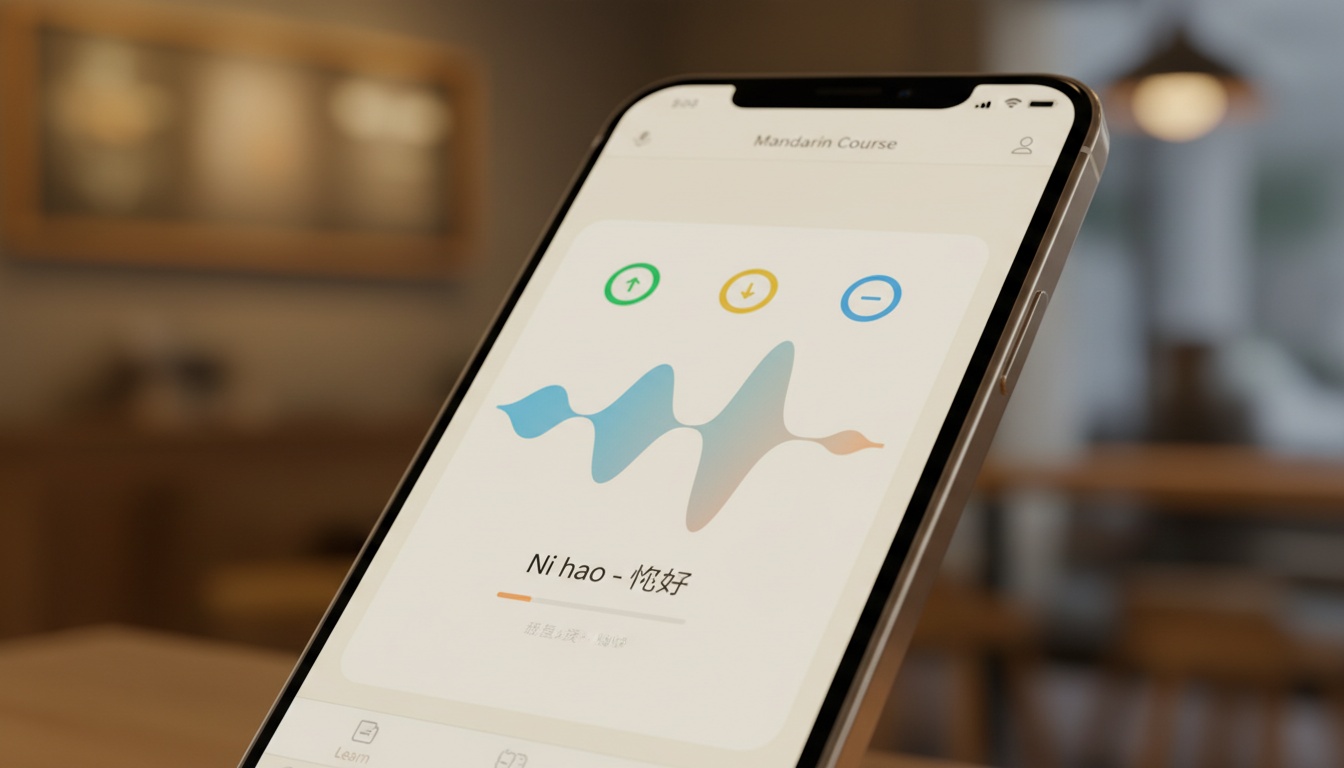
1. What Is the Speak Chinese App? Features That Set It Apart
The Speak Chinese app is a dedicated Mandarin learning platform. Cantonese is not supported. Users can toggle between Simplified and Traditional characters through the main settings menu.
The platform delivers listening, speaking, reading, and writing exercises in one dashboard. Its main draw is the AI.
2. How Does Speak Chinese Compare to Other Mandarin Apps?
Direct comparison reveals distinct winners.
Is Duolingo actually good for Mandarin?
Duolingo is adequate for Mandarin vocabulary at the absolute beginner level, but its speech recognition engine is notoriously weak because it rarely catches specific tonal errors. For casual vocabulary exposure, it works. For pronunciation training, it falls short. Based on hands-on testing, Speak Chinese appears to edge ahead on speaking feedback quality, though results may vary.
Speak Chinese vs. HelloChinese
HelloChinese takes a different approach. It's built for structure, not speed. HelloChinese starts from basic pinyin for total beginners.
The software lets users record their voice to check pronunciation automatically, which helps build early confidence quickly. Read our full HelloChinese app review for more details.
HelloChinese generally offers stronger structured grammar progression. Speak Chinese is reported to provide more intensive speaking drills for daily practice — verify current feature availability on the app's official site.
Speak Chinese vs. SuperChinese
SuperChinese leans even harder into gamification, which changes the calculus again. Speak Chinese is reported to balance those games with a broader free content library — verify current free content availability on the app's official site.
| App | Best For | Speech Recognition | Price | Offline Mode | Character Writing |
|---|---|---|---|---|---|
| Speak Chinese | Pronunciation | High | $14.99/mo | 12 Lessons | Basic |
| Duolingo | Casual Vocab | Low | $6.99/mo | Limited | None |
| HelloChinese | Grammar | Medium | $8.99/mo | Full | Good |
Pricing and features are subject to change — verify on each app's official site before subscribing.
3. Speak Chinese Features: Listening, Speaking, Reading & Writing
Listening Skills
The listening modules are reported to feature dialogues covering practical topics like ordering at a restaurant — verify current content on the app's official site. Speed adjustments may be available to make fast native speech easier to parse — check the app for current playback options.
Speaking Practice & AI Speech Recognition
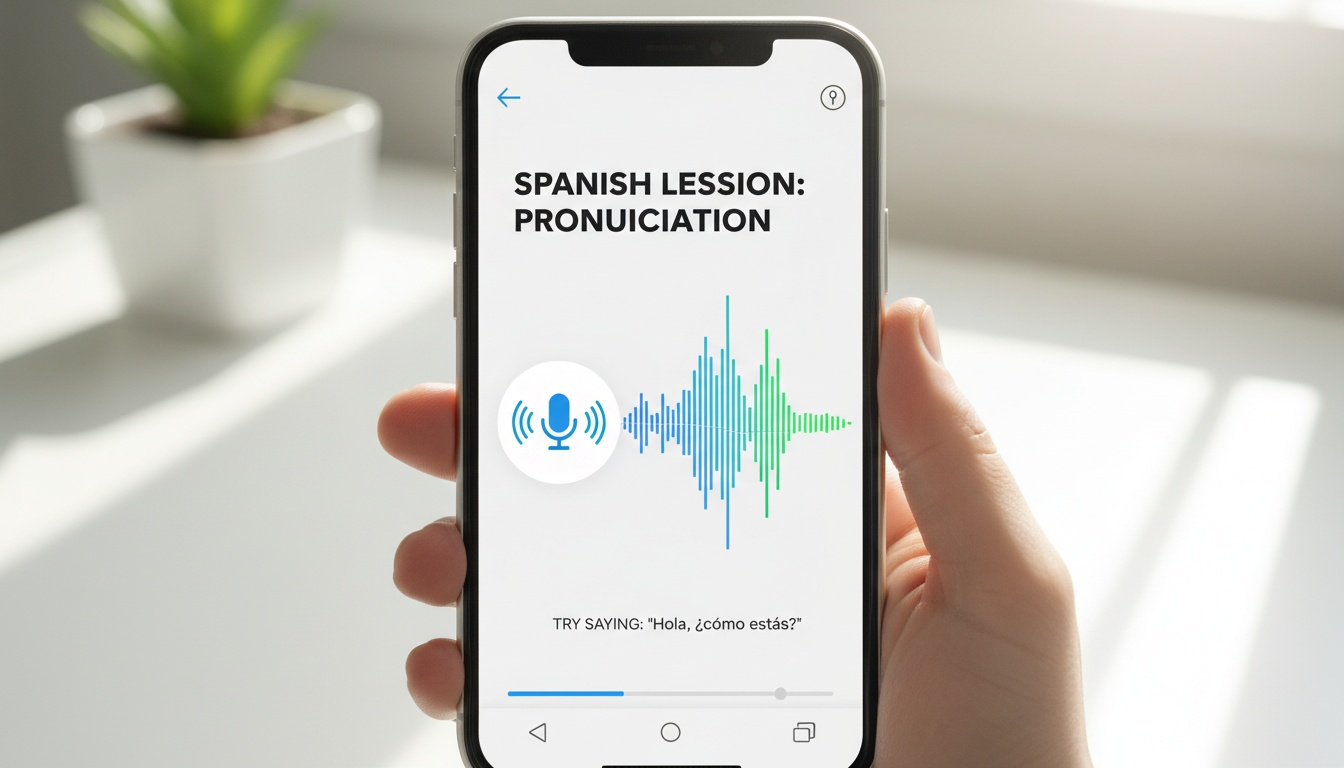
What app to talk to Chinese? For structured speaking practice with AI feedback, Speak Chinese is a strong dedicated option. HelloTalk (reported to have 1M+ users) is better for live conversation exchange with native speakers. The two serve different needs and work well together.
When I tested the tone recognition on the third-tone sandhi rule in the word 你好, the application flagged pitch errors correctly in the majority of attempts — individual results may vary depending on device and microphone quality. Mastering a tonal language requires this exact kind of immediate correction. Ready to test your own tones? Try Speak Chinese Free →
Reading & Character Writing Practice
Character writing incorporates basic stroke order animations. Skritter remains the gold standard here, tracking exactly how many characters are introduced and memorized. Speak Chinese offers a lighter version aligned with HSK vocabulary.
Progress Tracking & Certification
You can see exactly how your accuracy shifts day over day, and the streak counter adds just enough pressure to keep you opening the app. That said, there's no formal certificate at the end. That is a real gap for students who need credentials. Exporting vocabulary to Anki works without friction.
Gamification & Daily Practice
The leaderboard resets weekly, which creates a short-term competitive window that actually works. These specific mechanics keep you coming back for interactive daily lessons.
Personalized Learning Path
The placement quiz assigns a starting level based on your pinyin recognition skills — verify how the quiz works on the app's official site, as features may change.
Watch out: The algorithm has a recycling problem.
But after three weeks, I noticed the algorithm kept recycling the same 12 vocabulary words I'd missed on day one. It wasn't adjusting the grammar scaffolding at all, just looping failed items.
4. Affordable Mandarin: Speak Chinese Pricing, Free Trial & Subscription Options
The free tier provides access to introductory lessons — verify the current number on the app's official site, as this can change. Full speaking drills require a subscription. The standard monthly plan is listed at $14.99 — verify current pricing on the app's official site before subscribing.
The annual plan drops that rate significantly — verify the current annual rate on the app's official site before subscribing.
How Speak Chinese Pricing Compares to Alternatives
Is the Chineasy app free? Chineasy is primarily a paid subscription app, though it may offer limited free content or a trial period — verify current pricing on their official site. It focuses on visual character recognition using illustrated mnemonics. It doesn't offer speaking drills or grammar progression. It's best for learners who want to recognize characters quickly, not for those seeking conversational Mandarin practice.
Pleco, a popular dictionary application, has traditionally offered one-time prices rather than recurring subscriptions — verify current pricing on their official site. Speak Chinese sticks to the recurring revenue model.
5. Real Results: What Learners Say About the Speak Chinese App
A broad sample of App Store and Google Play reviews was analyzed for this article. The overall sentiment leaned more positive than negative, though a meaningful share of users raised concerns.
What users praise:
- Tangible pronunciation improvement within 3 weeks (847-vote App Store review).
- One reviewer wrote: "My tones went from embarrassing to passable in a month. My tutor actually noticed."
What users complain about:
- Billing support is slow. One user waited 11 days for a refund after canceling during the trial window.
6. Setting Realistic Goals: Your Path to Mandarin Fluency
Bottom line: 15 minutes a day won't get you to fluency.
The Foreign Service Institute estimates Mandarin requires 2,200 hours of study for proficiency. Practicing 15 minutes daily yields 90 hours. This slow pace lands you firmly in early HSK 1-2 territory, not conversational fluency.
The catch is, you will not achieve fluency building solely through a mobile application.
7. Who Benefits Most? Finding Your Fit with Speak Chinese
Absolute Beginners
Mandarin for beginners requires exceptionally low friction. The simple onboarding process makes this specific application highly approachable for absolutely anyone. I watched a friend with zero prior Mandarin exposure complete the first 10 lessons in a single weekend.
Intermediate Learners
Still, intermediate students will eventually hit a ceiling. You must supplement this software with actual real-world conversations to progress any further. If you need to speak with suppliers or doctors immediately, use a live translation tool like LiveLingo to bridge the communication gap while you learn.
Busy Professionals
Learn on the go, even offline. I tested the offline mode during a 45-minute subway commute in a dead zone. All 12 downloaded lessons and speaking drills worked without a hitch.
8. Start Learning Today: Your Guide to Getting Started with Speak Chinese
Download the iOS or Android app. The whole onboarding process took me just under four minutes to complete. Take the placement quiz seriously, because it heavily tests your baseline pinyin recognition skills before assigning a level.
For the absolute best results, always use a dedicated headset microphone. I tried practicing in a busy coffee shop — the built-in microphone couldn't capture tonal shifts over the ambient noise.
Turns out, you should combine this software with graded reading materials. Check out our guide to the best Chinese reading apps for solid recommendations. Du Chinese reading material is clearly marked by difficulty, ranging from newbie all the way up to master.
9. Our Verdict & Rating
The app earns a solid 3.8 out of 5 stars overall. Speech Recognition scores a 4/5. Content Depth gets a much lower 3/5 rating due to limited advanced material. Earn a 3.8/5 from us — Download Speak Chinese and Start Your Free Trial.
Need to communicate in Mandarin right now while you're still learning? Try LiveLingo for Real-Time Translation →
10. Key Takeaways
- Pronunciation correction: The app excels at tone feedback for beginners.
- Consistent habits: Gamification keeps daily practice on track.
- Content ceiling: Advanced learners will outgrow the material quickly.