 LiveLingo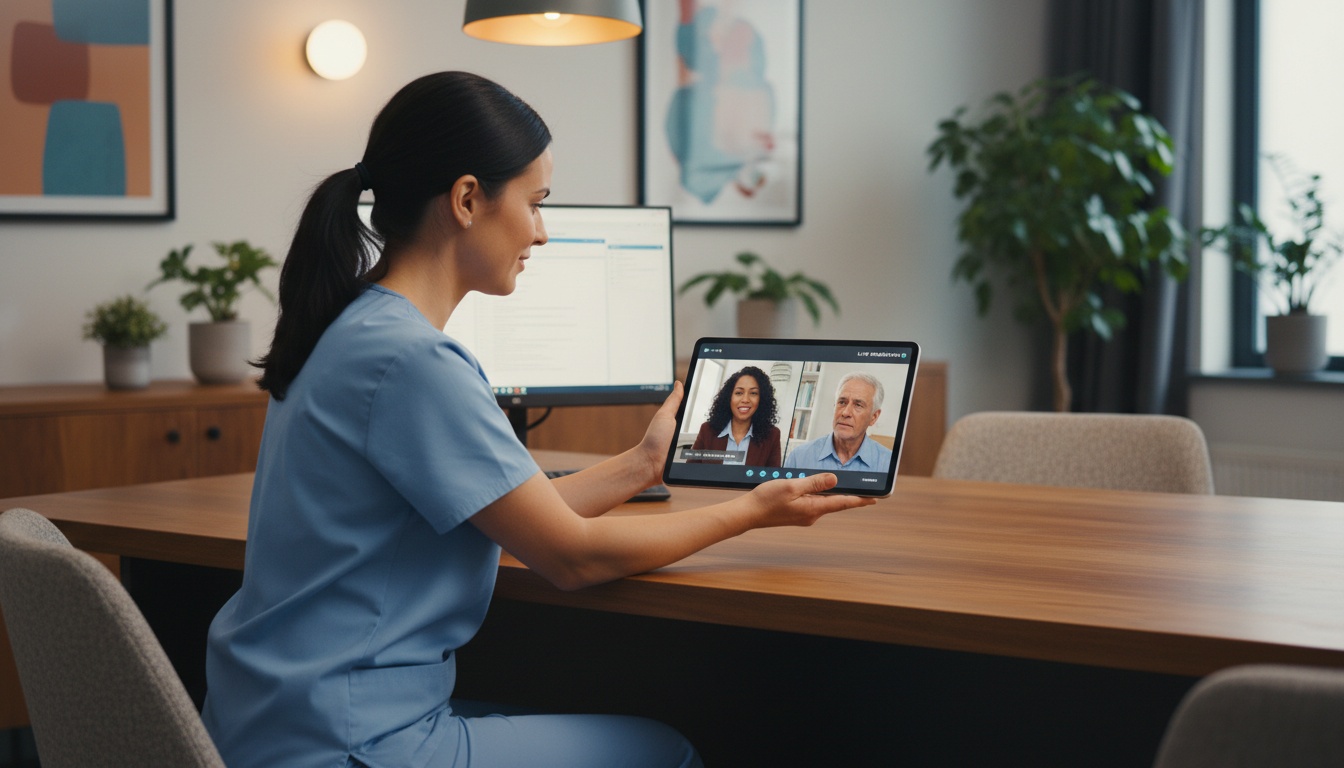
1. What Is an Interpreter Connect App?
An interpreter connect app connects you with a credentialed human interpreter via audio or video call — often within seconds, though connection speed varies by language and vendor. You open the app, select a language, and speak. Unlike AI translation, human interpreters handle medical diagnoses, legal testimony, and cultural nuance where errors carry real consequences.
Basic machine learning algorithms handle simple tourist questions like 'where is the bathroom' just fine. But when a patient is being told their biopsy came back positive, the margin for error is zero. The same is true when an asylum seeker must recount the exact date they crossed a border to an immigration judge.
That's where human interpreters earn their rate.
OPI vs. VRI: The Two Core Modalities
These apps typically offer two main modalities: over-the-phone interpretation (OPI) services and video remote interpretation (VRI). Hospitals, small businesses, and law firms rely on these specialized platforms every day across North America.
2. Key Features to Evaluate in Any Interpreter Connect App
The best remote interpretation platforms balance speed with a deep bench of credentialed talent. Scheduled interpreter booking matters for technical meetings. Still, instant access is what actually saves the day during a sudden ER visit or a supplier crisis.
Connection Speed: What the Averages Don't Tell You
Connection speeds vary significantly by language and platform. For high-demand languages like Spanish, top-tier vendors may connect you in under 30 seconds. For lower-resource languages such as Somali or Hmong, wait times can be considerably longer even on premium platforms.
Always demand that vendors provide their 95th-percentile wait time instead of their average, because that specific metric is where the real service failures hide.
What Languages and Dialects Are Typically Supported?
Major vendors such as LanguageLine Solutions and GLOBO publish extensive language lists — verify the current count directly with each vendor, as offerings change. Smaller vendors typically cover a narrower range of languages.
The number matters less than dialect depth. Connecting with a Castilian Spanish speaker when your client is from rural Mexico creates unnecessary friction. Ask for their exact language list.
How Do Interpreter Credentials Work?
A generic bilingual speaker is not a certified medical linguist. Professional interpreters undergo rigorous vetting. Organizations like CCHI and ATA set the baseline standards for interpreter credentials.
Court-certified interpreters command higher per-minute rates for a defensible reason: they understand the precise legal terminology required to keep a deposition admissible in federal court.
Does It Integrate With EHR and Business Tools?
Enterprise buyers need built-in interpretation technology integrations. Look for HL7/FHIR compatibility to connect directly with major systems like Epic or Cerner.
Corporate teams should verify Zoom and Microsoft Teams plugins. Some vendors offer Salesforce connectors and REST API access for highly customized internal deployments.
3. How to Get Started: Setup, Onboarding & First Connection
Setup time varies depending on system complexity and your team's technical proficiency, but straightforward deployments can often be completed in under an hour. Follow these three steps:
- Create your account via iOS, Android, or web browser.
- Configure your specific department settings and assign the appropriate user permissions before doing anything else.
- Run a mandatory hardware test to ensure microphones work.
Skipping this step is common. Don't do it.
You select your target language, wait for the virtual interpreter to connect, and speak in short phrases. Most platforms let you pull a per-department usage report in under two clicks — useful when you're justifying the subscription cost to a CFO.
Want to see the setup process firsthand? [Start a free LiveLingo session — no credit card required].
4. Pricing Models & Cost Comparison: Is It Right for Your Budget?
Most vendors offer per-minute billing, monthly subscription tiers, or custom enterprise contracts. Compare your options below (verify current rates directly with vendors, as pricing changes frequently).
| Model | Typical Rate | Best For | Watch Out For |
|---|---|---|---|
| Per-minute | $1.25–$4.95/min | Low-volume, unpredictable needs | Costs spike during busy periods |
| Monthly subscription | Varies by vendor | Mid-size clinics with predictable usage | Unused minutes don't roll over |
| Enterprise contract | Custom | Health systems, call centers | Minimum commitments and lock-in periods vary by vendor |
| AI-only tools | ~$0.07/min | Basic retail/FAQ interactions | Fails on medical/legal terminology |
The math is obvious when you run the numbers: one documentation error from a miscommunication can trigger a CMS audit. Pay-as-you-go models are clean: load a card, pay for what you use. Please check out our detailed interpretation app pricing guide for breakdowns of these exact financial costs.
5. Real-World Use Cases: Healthcare, Legal & Customer Service
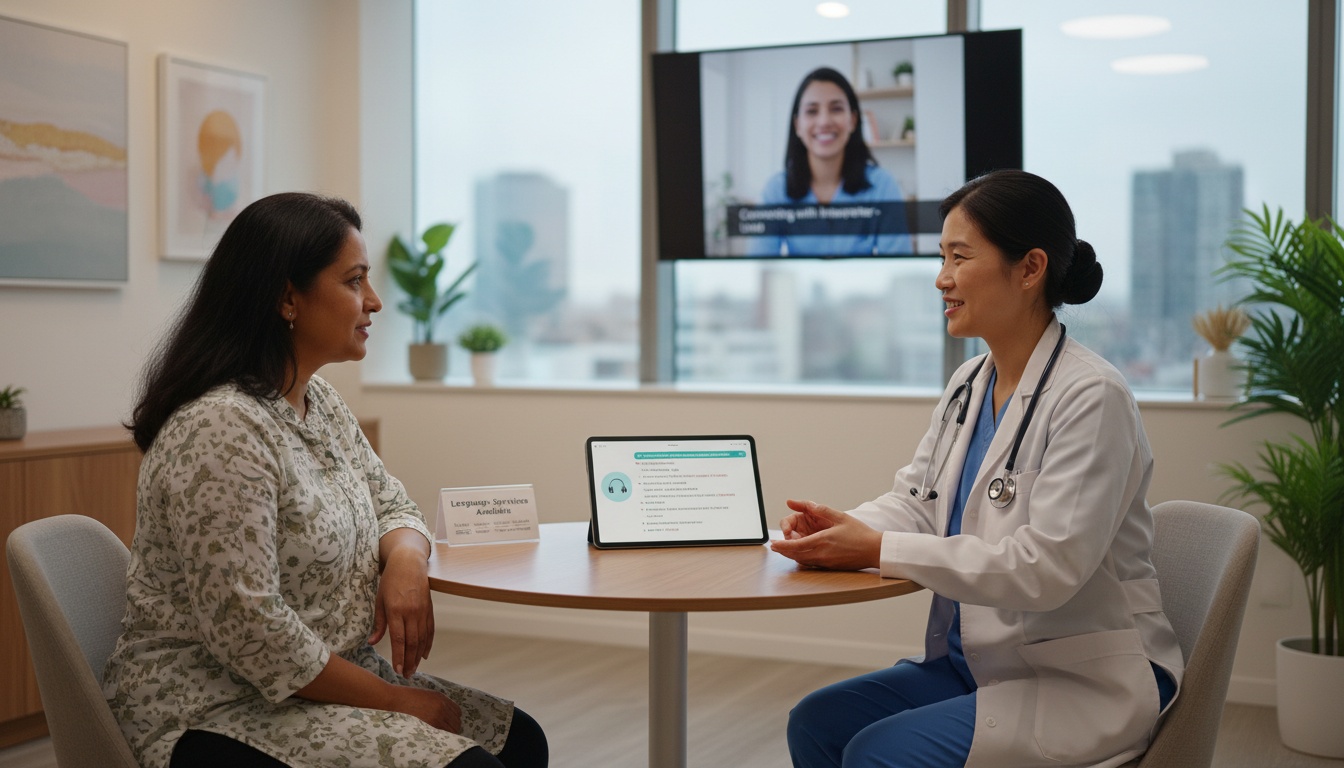
Healthcare: Where Interpretation Errors Have Clinical Consequences
Research consistently shows that facilities using on-demand interpreter apps reduce miscommunication-related adverse events among limited-English-proficient patients compared to those relying on ad-hoc family interpretation. Verify the latest outcome data directly with vendors or peer-reviewed sources for your specific use case.
Medical interpretation services during telehealth visits carries massive stakes.
Legal and Customer Service Applications
Law firms frequently hire specialized court-adjacent professionals for complex client consultations, asylum hearings, patent disputes with foreign licensees, or cross-border M&A negotiations.
Customer service departments rely on these tools daily. Studies have found that a significant share of LEP customers abandon calls when no interpreter is available — verify current figures with industry research for your sector. Grants help. Some grant programs fund language access services for nonprofits; check with your state or local government for currently available options.
ASL and Deaf User Support: What to Look For
Accessibility features require specific technical capabilities. Deaf and hard-of-hearing users need highly reliable ASL interpreter availability via VRI. Ensure the platform supports live captioning and relay service compatibility for all connected users across multiple device types.
ADA compliance requires that video feeds remain stable and usable — a frozen screen during a crisis helps nobody.
Is an Interpreter Connect App HIPAA Compliant?
HIPAA compliance requires the vendor to sign a Business Associate Agreement (BAA) before you transmit any protected health information through their platform. Some consumer-grade apps refuse to sign BAAs.
That refusal is disqualifying.
Before you demo anything, send a one-line email: 'Will you sign a BAA?' If they refuse or hedge, disqualify them immediately and move to the next vendor. Check out our complete HIPAA compliant interpretation checklist for further details.
6. Interpreter Connect App vs. Alternatives: How to Choose
Evaluation Checklist: Six Criteria That Matter
Evaluating a solution requires checking specific functional criteria:
- Dialect depth and total language coverage
- Interpreter credentials
- Compliance certifications
- Pricing models
- Software integrations
- Average wait times
While enterprise platforms handle heavy clinical loads beautifully, tools like LiveLingo are fantastic companions for everyday two-way conversations where the other person needs visual text reinforcement. App-based solutions represent the sweet spot for most small businesses.
They exist to solve immediate, unexpected language barriers before they become expensive problems. Relying on a machine to handle a nuanced legal negotiation is a fantastic way to lose a major client and potentially invite a massive malpractice lawsuit.
7. Tips for Getting the Best Results From Your Interpreter Connection
Three habits separate teams that use interpreter apps well from those that don't.
Practical Techniques That Improve Every Session
- Brief the interpreter: Always provide context before starting any important client conversations in your office.
- Adjust your speaking technique: Speaking technique makes a real difference. Use short sentences, avoid confusing idioms entirely, and remember to pause frequently after every single thought.
- Practice during low-stakes situations: You must train your staff to use it. If employees do not practice launching the app during routine check-ins, they will inevitably panic and forget how to use it during a real emergency scenario. Familiarity breeds confidence under intense pressure.
8. Conclusion
The right interpreter connect app depends on three variables: your call volume, your industry's compliance requirements, and the specific languages your clients speak. Everything else is secondary.
Key Takeaways
- Interpreter connect apps provide instant access to human professionals.
- Video remote interpretation adds critical visual context for medical or ASL needs.
- Always verify HIPAA compliance and BAA availability before deploying in healthcare.
- Match your pricing model to your actual expected call volume.
[TESTIMONIAL: Short anonymized quote from a healthcare administrator or legal professional describing a specific outcome — e.g., reduced wait times, avoided a compliance issue. 1–2 sentences max.]
Ready to Break the Language Barrier? Try LiveLingo free — verify current plan details and features directly with the provider, as offerings may change. Try LiveLingo Free.