 LiveLingo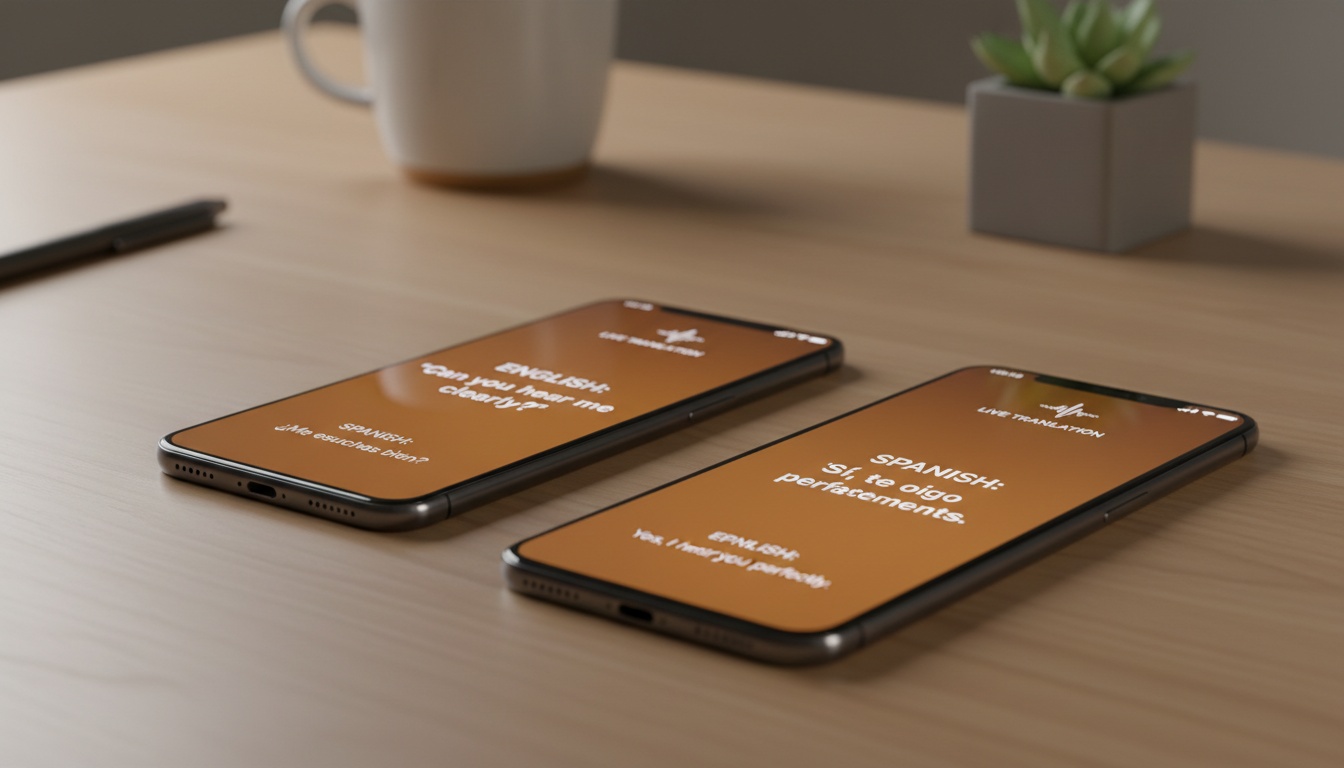
Quick Answer: AI phone agent or translated call?
Gemini Call for Me and Meta Muse put a bot on the phone with nobody behind it. The receiver hears a synthetic voice announce that it is an AI, and in Meta's own beta merchants hung up; human callers doing the same job reached 95 to 98 percent success. Both agents are English-only, US-only betas. A LiveLingo translated call keeps you on the line: the other person hears a short greeting in their language saying this is a translated call from you, then your real voice, then the translation. The AI is the third person on the call and only interprets. Use an agent for a hold queue or a routine booking in English. Use a translated call when the other person matters, or does not speak your language.
1. What Launched in September 2026
Meta Muse (often written Muse AI) launched on September 8 as Meta's personal AI agent and went straight to the top of the US app charts. On September 16 the Meta Muse phone calls beta opened, letting US users tell the agent to phone businesses: book a haircut, ask whether a store has an item in stock, get quotes from contractors (TechCrunch). A rival agent, Instinct, added calling the same week. Six days later Reuters and 404 Media reported that Meta had been running a "human concierge" test in which contractors in a call centre made some of the calls users believed an AI was making, that a contractor made a racist remark on one call, and that employees had flagged the privacy risk of sensitive requests reaching those contractors (404 Media, Reuters via CP24). Meta rolled the test back and said calling would ship "when ready and with proper disclosures".
Google Call for Me arrived on September 24 as an early experiment for Pixel 11, 11 Pro, 11 Pro XL and 11 Pro Fold owners in the US who pay for Gemini and join the Phone by Google public beta. Gemini dials from your number, introduces itself as an AI assistant calling on your behalf, navigates phone menus, waits on hold, and can share personal details you approve. You watch a live transcript and can take over at any point (TechCrunch, 9to5Google). It is English-only. Google has been placing synthetic-voice calls to businesses since Duplex in 2018, so the idea is not new; what is new is that it now sits in the Phone app of a mainstream handset.
The rule they all operate under. On February 8, 2024 the FCC ruled that an AI-generated voice on a call counts as an "artificial or prerecorded voice" under the Telephone Consumer Protection Act, which brings the TCPA's consent, identification and opt-out rules with it, and in September 2024 it proposed requiring AI disclosure at the start of every such call (FCC). That is why both agents open by saying they are AI, and it is the first thing the person on the other end hears.
2. Three Ways AI Joins a Phone Call, and Who Is Actually on the Line
"AI phone call", "AI that makes phone calls for you" and "an assistant that calls on your behalf" now describe three products that have almost nothing in common from the receiver's side. The question that separates them is simple: when the phone rings, is there a human on the other end?
| AI agent calls for you Gemini Call for Me, Meta Muse, Instinct | AI clones your voice voice-cloning call translators | AI interprets while you talk LiveLingo translated call | |
|---|---|---|---|
| Human in the loop | None. The bot talks; you read a transcript. | You speak, but they never hear you. | You, live, for the whole call. |
| Who the receiver hears | A synthetic voice that says it is an AI. | A synthetic copy of your voice in their language. | Your real voice, then a separate interpreter voice. |
| Who answers their questions | The model, within the information you approved. | You, relayed through the clone. | You. |
| Disclosure | Required; the agent announces itself. | Usually none. | A greeting in their language: translated call from you, via LiveLingo. |
| How it reads to the receiver | A bot. Meta's merchants hung up. | Uncanny, and undisclosed. | A person calling with an interpreter. |
| Languages | English only (both betas). | Limited by clone quality. | 35+. |
| Where it works | US numbers, US businesses. | Varies. | Any mobile or landline number LiveLingo can dial. |
| What it is good at | Hold queues, phone menus, routine bookings. | Sounding like you. | Any conversation where the other person matters. |
The third column is the one this guide is about, so here is the precise claim. On a LiveLingo call the AI is a participant, not a proxy. It does one job, the job a human interpreter does on a three-way call: it renders what you said into their language and what they said into yours. It does not decide what to say, it does not carry your details into a conversation you cannot hear, and it does not pretend to be a person. You are the person.
3. What the Other Person Hears, Second by Second
An AI agent call (Gemini Call for Me, Muse)
The phone rings. A fluent synthetic voice explains that it is an AI assistant calling on behalf of a customer, then states the errand: a table for two at seven, is the blue jacket in stock, can the Tuesday appointment move to Thursday. The person answering now has a decision to make with no human to make it with. If they ask something the agent was not authorised to answer, it stalls or declines. If they doubt the caller, there is nobody to reassure them. Google gives you a live transcript and a take-over button, which helps you, not them. Meta's beta data says what many of them do: they hang up.
A voice-cloning translator call
The phone rings and a voice that sounds like a native speaker of their language, built from a sample of yours, starts talking. Nothing tells them a machine is involved. It sounds smooth until the clone mispronounces a name or answers half a beat late, and then it sounds like a scam call. Our guide to voice cloning versus transparent translation covers why that design keeps failing the trust test.
A LiveLingo translated call
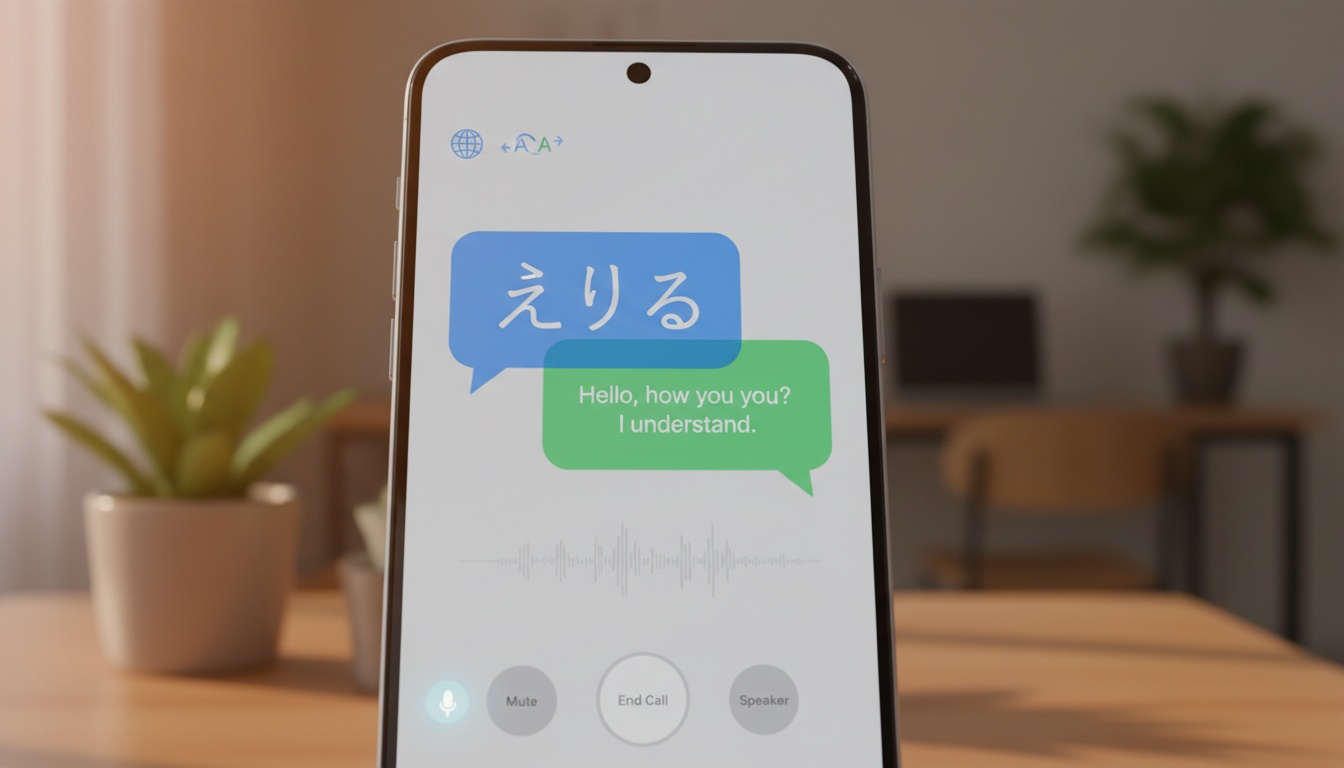
The phone rings like any other call. When they pick up they hear a short greeting in their own language: this is a translated call from you, by name, via LiveLingo, please pause for each translation. Then they hear you. Your actual voice, in your language, for a sentence or two. Then the interpreter voice says the same thing in theirs. They answer in their language, and you hear their voice followed by the translation in yours. Within the first ten seconds they know three things a bot call never gives them: who is calling, that a real person is on the line, and that the machine in the conversation is there to translate, nothing else.
Be honest about the rhythm. A translated call is consecutive, the way a phone interpreter works: you speak, you pause, the translation plays, they reply, the translation comes back. It is slower than a same-language call and slower than the simultaneous translation LiveLingo does face to face. What you get for that pause is a conversation in which both humans stay in charge.
4. Why Businesses Hang Up on Bots, and Why Meta Reached for Humans
Meta ran the experiment so nobody else has to. Its Muse beta called real US businesses with a synthetic voice, and, as PYMNTS reported from Meta's internal posts, merchants hung up once they realised the caller was AI. Meta's answer was to route some calls to human contractors, and those humans reached 95 to 98 percent success on the same requests. The fix worked and then blew up, because the humans were undisclosed: users thought a machine was handling their errand, contractors heard their personal details, and one made a racist remark on a recorded call. Meta withdrew the test and a Meta executive called the missing disclosure a mistake (Digital Trends).
Read the two halves together and the lesson is not "AI voices need to get better". It is that the receiver's cooperation depends on a person being present and identified. Meta proved that a human on the line lifts success into the high nineties, and then proved that hiding the human is worse than having none. A translated call is the version of that finding with nothing hidden: the human is you, the greeting names you, and the machine is labelled as the interpreter it is.
There is a practical layer underneath the trust layer. Front-desk staff are trained to end robocalls fast, carrier spam filters flag synthetic-voice traffic, and the FCC's 2024 ruling means an AI-voice call carries TCPA obligations that a person speaking on their own call does not. None of that applies to you phoning a hotel with an interpreter in the conversation.
5. Where AI Agents Fit
None of this makes Call for Me or Muse useless as an AI calling assistant. They are good at exactly what Google and Meta pitch: the calls you would rather not make because they are boring, not because they are delicate. Sitting through a 40-minute hold queue. Pressing 3 for billing. Asking six hardware stores whether they have a part in stock. Rescheduling a dentist appointment. Gemini's live transcript and take-over button make it a competent assistant for those, and the disclosure is a feature: a business that accepts an AI booking has accepted it knowingly.
They stop being the right tool when the outcome depends on the person at the other end trusting, liking or understanding you: a negotiation, a complaint you want resolved rather than logged, a call to a relative, anything medical or legal, and any call where you would take offence at being handed to a machine yourself. And they stop entirely at the language line.
6. The Language Gap: An AI Phone Call in Another Language Is Still a Human Job
As of September 2026 both agents are English-language betas restricted to the US. The calls people most often wish someone else would make for them are the ones in a language they do not speak: the supplier in Shenzhen about a late shipment, the hotel in Rome about a booking, the landlord in Mexico City about a deposit, the clinic in Seoul about a parent's results. No agent can place those today, and a bot announcing itself in English to a Mandarin-speaking factory manager would not get far if it could.
This is what a translated call is for. From the Call tab in LiveLingo on iPhone, Android or the web you dial any mobile or landline number. The other person answers a normal call and hears the greeting in their language. You speak; they hear your voice and then the translation. They reply; you hear their voice and then the translation in yours. On phone-line audio across 120 judged utterances LiveLingo held 96.9 percent comprehension fidelity, against 94.0 percent for Google Cloud, 91.8 percent for Azure and 88.9 percent for a Whisper baseline, and the phone line itself cost every system less than 0.04 points compared with wideband microphone audio. Translated calls are part of the Pro plan; the details are on the phone call translation page.
If the other person is in the room rather than on the phone, the calculus changes: face to face LiveLingo translates simultaneously, while the other person is still speaking, and our best live translation app comparison covers that case, including Apple Live Translation and Google Translate.
7. Which to Use When
| The call | Use | Why |
|---|---|---|
| Reschedule a US appointment, English, routine | Gemini Call for Me (Pixel 11, US) or Muse | Boring call, disclosed AI, transcript to check |
| Wait on hold with a utility or airline | AI agent | Nobody needs to trust anyone during a hold queue |
| Check stock at several shops | AI agent | Yes or no answers, low stakes |
| Negotiate a price or a refund | You, on the line | Meta's data: bots get hung up on, people get results |
| Call a supplier, hotel or clinic in another language | LiveLingo translated call | Agents are English-only; the receiver hears you plus an interpreter |
| Call a relative or a friend who speaks another language | LiveLingo translated call | Your voice, your relationship, translation as a helper |
| Anything medical, legal or contractual | You, with a certified human interpreter | Accuracy ceilings and liability |
8. Frequently Asked Questions
Can Google AI make a phone call for me?
Yes, in a limited beta. Google announced Call for Me on September 24, 2026 for Pixel 11, 11 Pro, 11 Pro XL and 11 Pro Fold owners in the US who pay for a Gemini subscription and join the Phone by Google public beta. Gemini places the call, introduces itself as an AI assistant calling on your behalf, navigates phone menus, waits on hold, and handles routine tasks such as booking an appointment or checking whether an item is in stock. You watch a live transcript and can take over at any point. It is English-only.
Can Meta Muse make phone calls?
Yes, to US businesses, in a beta that opened on September 16, 2026, eight days after Muse launched. On September 22 Reuters and 404 Media reported that Meta had quietly tested a "human concierge": contractors in a call centre made some of the calls users believed an AI was making. Meta rolled the test back, said the calling feature would only ship when ready and with proper disclosures, and a Meta executive called the undisclosed human operators a mistake.
What can Meta Muse do on a phone call?
In the US business-calling beta that opened on September 16, 2026, Muse can phone a business on your behalf to book an appointment such as a haircut, check whether an item is in stock, or collect quotes from several contractors, and it tells the business it is an AI. It cannot call people outside the US or speak another language, and during the beta Meta briefly routed some calls to undisclosed human contractors before withdrawing that test. Treat it as an errand-runner for routine English calls, not a stand-in for you.
Why do businesses hang up on AI callers?
Because the caller announces it is a bot, sounds like one, and cannot be held to anything. Meta's own test data, reported by PYMNTS, is the clearest evidence: merchants hung up once they realised the caller was AI, while human callers handling the same Muse requests reached 95 to 98 percent success. A translated call avoids the problem at the root: the person who answers hears a human who happens to be using an interpreter.
Are AI phone calls illegal in the US?
Not as such, but they are regulated. On February 8, 2024 the FCC ruled that an AI-generated voice on a call is an "artificial or prerecorded voice" under the Telephone Consumer Protection Act, which brings consent, identification and opt-out rules with it, and in September 2024 it proposed requiring AI disclosure at the start of every AI-generated call. That is why Gemini and Muse introduce themselves as AI. This guide is not legal advice; a call you place and speak on yourself, with an interpreter translating what you say, is a different thing from a robot dialling on its own.
Can Gemini Call for Me or Meta Muse call someone in another language?
No. As of September 2026 both are English-language betas restricted to US phone numbers and US businesses. Calling a supplier in Shenzhen, a hotel in Rome or a landlord in Mexico City is still a human-plus-translation job. LiveLingo places translated calls to any mobile or landline number: the other person hears a greeting in their own language, then your voice, then the translation, across 35+ languages.
Is there an AI phone call app for another language?
Two kinds. Voice-cloning call translators put a synthetic copy of your voice on the line in the other language, usually without telling the other person, and they tend to fail the trust test. A transparent translated call keeps your real voice and adds an interpreter voice that is announced at the start; LiveLingo does this to any mobile or landline number in 35+ languages, with 96.9 percent comprehension fidelity measured on phone-line audio. Neither Gemini Call for Me nor Meta Muse can place a call in another language as of September 2026.
What is the difference between an AI phone agent and a translated call?
An AI agent replaces you: a synthetic voice with no human present speaks to the business, within the information you approved, and reports back. A translated call keeps you on the line: you speak, the other person hears your real voice and then the translation, they reply, and the translation comes back to you. The AI is the third participant and its only job is interpreting. Nobody is negotiating on your behalf, nobody is pretending to be you, and nobody has to trust a bot.
What does the person I call hear on a LiveLingo translated call?
A normal incoming call on their phone. When they answer, a short greeting in their language explains that this is a translated call from you (by name) via LiveLingo and asks them to pause for each translation. Then they hear your actual voice, then the spoken translation. Their reply comes back to you the same way. They install nothing and need no app. Translated calls are consecutive: you speak, pause, and the translation plays, so plan for a slower rhythm than a same-language call.
Will a translated call be treated as spam like an AI robocall?
The person answering hears a human voice within seconds and can ask questions that a person answers, which is the opposite of the experience that made merchants hang up on Muse. The greeting says up front who is calling and that an interpreter is involved, so there is no undisclosed machine in the conversation. As with any call, a clear opening line about why you are calling helps.
How accurate is a translated phone call?
On phone-line audio across 120 judged utterances, LiveLingo held 96.9 percent comprehension fidelity, against 94.0 percent for Google Cloud, 91.8 percent for Azure and 88.9 percent for a Whisper baseline, and the phone line itself cost every system less than 0.04 points compared with wideband microphone audio. For contracts, medical consent or anything legal, keep a certified human interpreter in the loop.
Is an AI call translator that clones my voice the same as a translated call?
No. Voice-cloning call translators make the other person hear a synthetic copy of your voice speaking their language, usually without telling them. A transparent translated call keeps your real voice and adds a separate interpreter voice, and says so at the start. Our guide to voice cloning versus transparent translation covers the trade-offs.
Key Takeaways
- Gemini Call for Me (Pixel 11, US, paid Gemini, English) and Meta Muse (US businesses, beta) put a disclosed bot on the phone with no human in the loop.
- Meta's own beta showed merchants hang up on AI callers, and that human callers reach 95 to 98 percent success; hiding those humans made it worse, not better.
- The FCC treats an AI voice as an artificial voice under the TCPA, which is why the agents announce themselves and why receivers treat them as robocalls.
- A LiveLingo translated call keeps you on the line: the receiver hears a greeting in their language, then your real voice, then the translation. The AI is the third person on the call and only interprets.
- Neither agent speaks anything but English; calls across a language barrier remain a human-plus-interpreter job, at 96.9 percent fidelity on phone-line audio.
- Use an agent for hold queues and routine English bookings; use a translated call whenever the other person, or their language, matters.
Make the Call Yourself, in Any Language
LiveLingo Pro ($19.99/mo) includes translated phone calls to any mobile or landline number, 300 minutes of live translation and AI meeting memos. Try live translation free first: 3 minutes a day at livelingo.io/app, no account and no credit card required.
See How Translated Calls Work