 LiveLingo
Quick Answer: How to negotiate with Chinese factories when you don't speak Mandarin
Two moves. (1) Open the call the guanxi way — introduce yourself, ask about the factory owner's week, mention any mutual contact — do not lead with a price demand. (2) For the language layer, run LiveLingo on your personal phone alongside the call. Real-time English↔Mandarin translation on the phone screen in ~1.5 s; nothing installs on the corporate laptop; DLP and endpoint monitoring do not see it; AI meeting memo (translated transcript, agreed pricing, action items) emailed after every call. $19.99/mo Pro for 300 minutes, including translated outbound calls where the factory owner hears your voice with no app on their end. Skip the $150-300/hr agency interpreter for routine sourcing calls; keep them for signing supplier agreements.
Tap and speak in English
Tap to start
Why Relationship-Building Unlocks 15-30% Better Pricing Than Aggressive Negotiation
Chinese business culture operates on guanxi — a relationship-based system where trust and respect matter more than your opening price offer. Western companies including Motorola, Vodafone, and Intel discovered this the hard way, finding that building relationships in China takes significant time and effort.
One Shenzhen manufacturer told me in broken English: "American buyers think we are Amazon. Push button, get product. No understand we are people."
Chinese suppliers don't just want your money. They want partners who'll grow with them over years, not buyers who'll disappear after squeezing every penny from one order.
The Trust Factor Changes Everything
According to the China Manufacturing PMI Index, manufacturing costs rose 12% in 2024, making suppliers pickier about their customers. They'll often give better pricing to buyers they trust than to those offering larger orders upfront.
The difference lies in communication styles. Chinese decision-making involves consensus-building and face-saving measures that Western buyers often misinterpret as delays or indecision.
Building Guanxi Before Negotiating
Start every relationship with genuine interest in their business. Ask about their production capabilities, their other clients, their challenges with materials or logistics.
Video calls close trust gaps 3x faster than email exchanges, reducing negotiation cycles from 4-6 weeks to 2-3 weeks and preventing costly miscommunications about specifications. Many sourcing teams use real-time translation tools to accelerate relationship-building during initial video calls with Chinese suppliers—[Learn how to communicate more effectively across language barriers]—which often surfaces negotiation opportunities that email exchanges miss.
Avoid $50,000+ Disasters: How to Spot Trading Companies Posing as Manufacturers
Before discussing price with any Chinese factory, spend time on verification. This step prevents most horror stories about Chinese manufacturing gone wrong.
Start with platform verification on Alibaba, Global Sources, and Made-in-China. Each platform shows different supplier information — cross-reference business licenses, certifications, and production capacity claims across all three.
Request factory photos, not product samples alone. Real manufacturers proudly show their equipment and facilities.
Red Flags That Signal Trouble
Pricing 20%+ below market rates typically signals quality shortcuts that cost 40-60% more in rework, returns, and delays—making the "bargain" price a hidden expense.
Poor English communication creates problems beyond just negotiation confusion. If they can't clearly explain their processes now, imagine the issues during production crises.
I once had a "factory" send me stock photos from three different facilities. Turned out they were a trading company with no manufacturing capability.
Reluctance to provide samples or detailed factory information usually means they're trading companies, not actual manufacturers. You'll pay middleman markups without realizing it.
The Response Time Test
Send technical questions about their production process. Manufacturers respond quickly with specific details. Trading companies take longer and provide vague responses copied from other sources.
The 5-Factor Framework That Cuts Sourcing Costs 23% Without Switching Suppliers
Most buyers obsess over unit cost while ignoring four other factors that determine profitability. Smart negotiation balances all five elements instead of optimizing just one.
Price negotiation works best when you understand their cost structure. According to supplier data, a 30 cents discount per unit on a $7.00 product saves $30 on 100 units. At higher volumes, this scales to $900 savings.
Negotiating lower MOQs (1,000 units vs 5,000) reduces your upfront cash commitment by $3,600-$7,200 per order, freeing capital for other suppliers and reducing inventory risk.
Lead Time Negotiations
Confirming realistic lead times prevents $15,000-$50,000 in excess inventory costs and stockouts—the real cost of factories that promise 15 days but deliver in 25. In 2024, average lead times from Chinese factories increased 18% due to ongoing supply chain adjustments, according to the China Logistics Association.
Ask about their current production schedule. Overloaded factories can't suddenly prioritize your rush orders without premium pricing.
Quality standards require specific discussion, not assumptions. Define acceptable defect rates, inspection procedures, and rework policies before placing orders.
Payment Terms That Protect Both Sides
Payment terms negotiations involve risk distribution, not just cash flow timing. Suppliers asking for full payment upfront often signal cash flow problems or inexperience with international buyers.
Common terms include deposits and balance payments. Established relationships can negotiate different splits after trust develops.
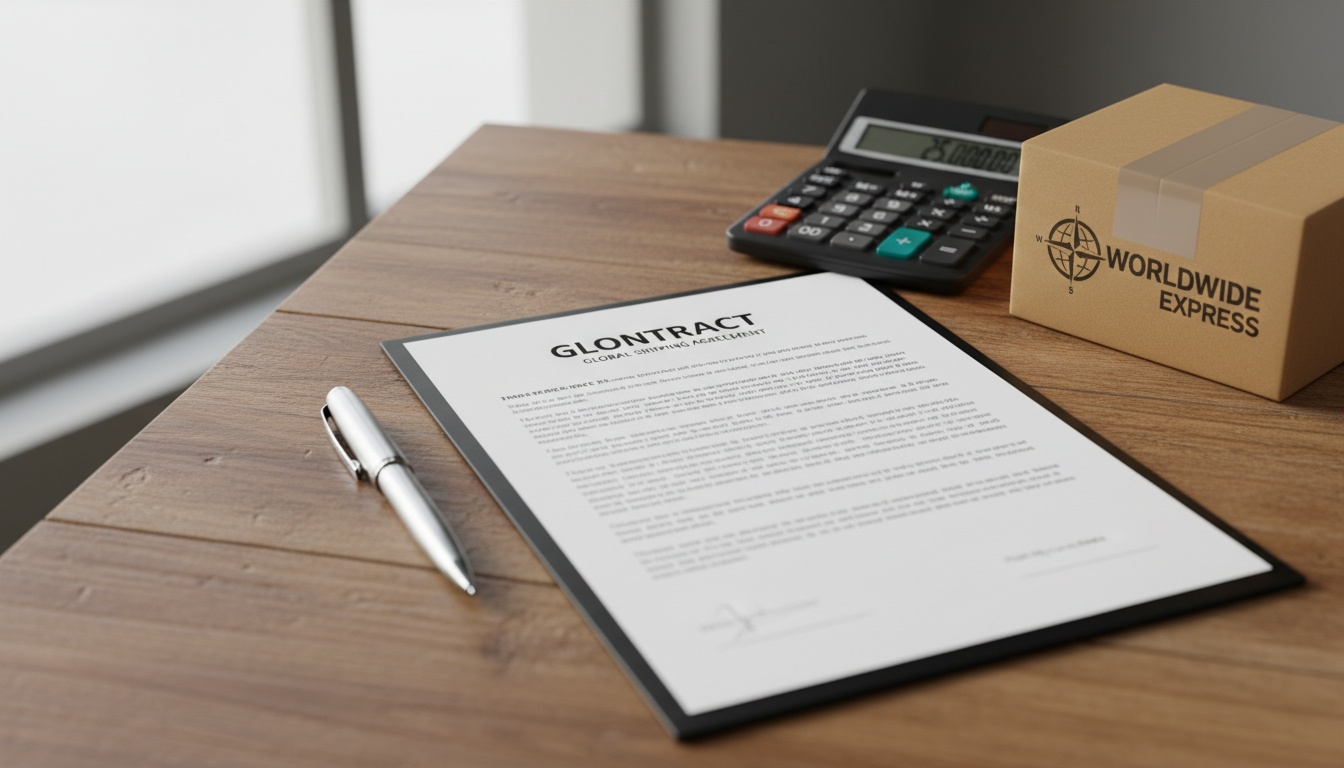
Contract Manufacturing and Import Considerations
Contract manufacturing agreements need specific legal protections beyond basic purchase orders. Include intellectual property clauses, quality specifications, and delivery penalties.
Import documentation requirements vary by product category and destination country. Factor customs duties, shipping costs, and potential delays into your total landed cost calculations.
Bulk orders require different contract terms than sample orders. Volume commitments often unlock better pricing but increase your financial exposure if demand forecasts prove wrong.
Sourcing Strategy for Long-Term Success
Successful sourcing involves diversifying suppliers while maintaining strong relationships with primary partners. Don't put all production with one factory, but don't spread orders so thin that you lose negotiating leverage.
In 2023, I helped a Seattle electronics company reduce their factory costs by 23% without changing suppliers. Better forecasting and longer-term commitments allowed factories to plan production more efficiently. The company shifted from monthly orders to quarterly forecasts with flexible delivery windows, giving suppliers predictable volume while maintaining their own inventory flexibility.
Copy-Paste Scripts That Get Serious Manufacturers to Respond (And Reveal Their Real Pricing)
Here's the initial inquiry template that gets responses from serious manufacturers:
Subject: Production Inquiry - [Product Name] - [Your Company]
"Hello,
We're evaluating suppliers for [specific product] with projected monthly volumes of [quantity range]. Our target market is [region/country] with [brief quality/certification requirements].
Could you provide:
- Unit pricing for quantities of [X, Y, Z]
- Current lead times and MOQ requirements
- Sample availability and costs
- Factory photos and relevant certifications
We prefer building long-term partnerships with reliable suppliers rather than switching based solely on pricing.
Best regards, [Name and Title]"
Phone Call Scripts for Price Discussions
Start with relationship building: "How has business been this quarter? Are you seeing the same material cost increases we're hearing about?"
Then transition to business: "Based on our market research, we're seeing pricing between $X and $Y for similar products. Where do you typically fall in that range?"
Notice the collaborative approach instead of demanding their lowest price immediately.
Handling Pushback Professionally
When they say "This is our best price," respond with: "I understand your position. Help me understand your cost structure so we can find creative solutions that work for both sides."
This opens discussion about volume commitments, payment terms, or specification adjustments that reduce their costs without compromising quality.
5 Negotiation Mistakes That Cost Buyers $30,000+ Per Order (And How to Avoid Them)
The biggest mistake? Treating Chinese suppliers like commodity vendors instead of manufacturing partners. This approach guarantees problems down the road.
Being overly aggressive backfires in Chinese business culture. Suppliers will agree to unrealistic terms to save face, then deliver poor quality or miss deadlines when they can't meet commitments.
Skipping sample orders to save time costs more money later. Sample investments prevent production disasters.
The Rush Order Trap
Demanding impossible timelines signals amateur buyer status. Professional procurement teams plan ahead and negotiate realistic schedules that maintain quality standards.
Ignoring cultural communication differences creates unnecessary friction. Direct criticism embarrasses Chinese suppliers — frame feedback as "opportunities for improvement" instead.
Not Getting Agreements in Writing
Verbal agreements mean nothing when problems arise. Document every discussion point, specification change, and pricing adjustment in email confirmations.
Unstick Stalled Negotiations: 3 Tactics That Work When Price Discussions Hit a Wall
Sometimes negotiations reach deadlocks despite good intentions from both sides. Current yuan exchange rates affect pricing flexibility, and suppliers may genuinely be unable to meet your target costs.
Try these approaches when talks stall:
Take a break. Suggest revisiting discussions in a week. This gives both sides time to consider alternatives without losing face.
Bring in technical expertise. Sometimes cost issues stem from design inefficiencies rather than supplier margins.
Explore specification adjustments. Minor changes to materials, tolerances, or packaging can unlock significant cost savings.
When language barriers complicate negotiations—especially during discussions about specifications or payment terms—many experienced sourcing teams leverage AI-powered translation to ensure nothing gets lost in communication. [Explore how real-time translation can prevent costly misunderstandings during negotiations].
When to Walk Away
Some negotiations aren't worth winning. If a supplier consistently misses deadlines during the sample phase, they won't improve during production.
Red flags include unwillingness to provide factory tours, reluctance to discuss their other clients, or pressure to place large orders before establishing quality standards.
Closing the Deal: Contract Review and Building Long-Term Partnerships
Essential contract terms include specific quality standards, inspection procedures, shipping methods, and liability clauses. Don't rely on platform protection alone for large orders.
Payment protection strategies should include escrow services for new suppliers, inspection rights before final payment, and clear remedies for quality failures.
Building ongoing relationships requires consistent communication beyond just placing orders. Check in during slow periods, share market feedback, and discuss capacity planning for future growth.
Monitor performance through delivery tracking, quality metrics, and communication responsiveness. Address issues immediately rather than letting problems accumulate.
The factories charging 20% more often deliver 40% faster. I've seen suppliers blacklist buyers who negotiate too aggressively. Sometimes paying slightly higher prices to reliable suppliers saves more money than constantly switching to cheaper alternatives.
Ready to Eliminate Language Barriers in Your Negotiations?
Negotiating with Chinese factories requires clear communication at every stage. LiveLingo's real-time voice translation helps you navigate discussions about specifications, pricing, and timelines without miscommunication. Try LiveLingo free—5 minutes of translated calls every day, no credit card required. [Try LiveLingo Free]
Key Takeaways
- Build relationships first, negotiate second — guanxi influences pricing more than aggressive tactics
- Verify factory credentials across multiple platforms before discussing terms
- Balance five negotiation factors: price, MOQ, lead time, quality standards, and payment terms
- Use professional templates and scripts to establish credibility from first contact
- Avoid common mistakes like rushing timelines or focusing only on unit costs
- Document all agreements and build long-term partnerships for sustainable sourcing success
Frequently Asked Questions
What is the best real-time English-Mandarin translation tool for negotiating with Chinese factories if my company blocks 3rd-party plugins?
Run LiveLingo on your personal phone alongside the negotiation call. It translates English↔Mandarin in ~1.5 s, displays the translated text on the phone screen, and emails an AI meeting memo (translated transcript, agreed pricing, action items, next-step commitments) when the call ends. Nothing installs on the corporate laptop — no Zoom Marketplace app, no browser extension, no admin console approval. LiveLingo Pro is $19.99/mo for 300 minutes, including translated outbound phone calls to any China mobile or landline (the factory hears your voice with no app on their end). This deploys today, unlike enterprise procurement (Wordly, Interprefy, DeepL Voice) which runs 3-9 months.
Should I hire a Mandarin interpreter for a factory negotiation, or is AI translation enough in 2026?
For routine sourcing calls, spec discussions, quote reviews, and follow-up negotiations — AI translation is enough. LiveLingo's ~1.5 s latency lets the conversation flow naturally, and the AI memo captures agreed pricing and terms for your records. For high-stakes moments — signing a supplier agreement, negotiating exclusive rights, resolving a quality dispute with legal implications — bring in a certified interpreter or bilingual sourcing agent for that single call. Rule of thumb: if a misinterpretation costs you a bad email vs a bad email + a contract dispute, hire the human interpreter. Otherwise, AI on your personal phone.
Does anything install on my work laptop when I use LiveLingo for a factory negotiation call?
No. LiveLingo runs in a browser (livelingo.io/app) or on your personal phone — there is no desktop app, no Chrome extension, no Zoom Marketplace listing, no admin approval flow, no MSI installer. In the personal-phone method, the corporate laptop never touches LiveLingo at all — Zoom, WeChat, or the corporate phone system runs exactly as it always has. This is important for sourcing teams at regulated companies (medical devices, defense, financial services) where "no unapproved third-party software on corporate devices" is a hard rule.
What language pairs beyond English-Mandarin does LiveLingo support for factory negotiations across Asia?
LiveLingo supports 35+ languages including English↔Mandarin, English↔Cantonese, English↔Japanese, English↔Korean, English↔Vietnamese, English↔Thai, English↔Indonesian, English↔Malay — covering the main manufacturing hubs across Greater China, Japan, Korea, and Southeast Asia. Regional language switching also works: if a factory rep switches between Mandarin and Cantonese mid-call, LiveLingo tracks the language change automatically without requiring you to flip a setting.
Will the factory owner in China need to install anything on their end to have a translated call?
No. LiveLingo's translated outbound phone call feature dials any China mobile or landline number; the factory owner answers a normal phone call and hears your real voice followed by the spoken Mandarin translation, with no app, no account, and no software install on their end. This matters in China where cross-border app installs face regulatory friction and where factory owners often prefer phone calls over WeChat video for formal negotiations.
Negotiate Factory Pricing Directly Over the Phone
Skip the translation delays and build guanxi faster with real-time voice translation on supplier calls. LiveLingo costs $0.07/min versus $1.25-$4.95/min for human interpreters—reinvest those savings into your first order. Start with 5 free minutes daily, no credit card required.
Start Supplier Calls in Chinese