 LiveLingo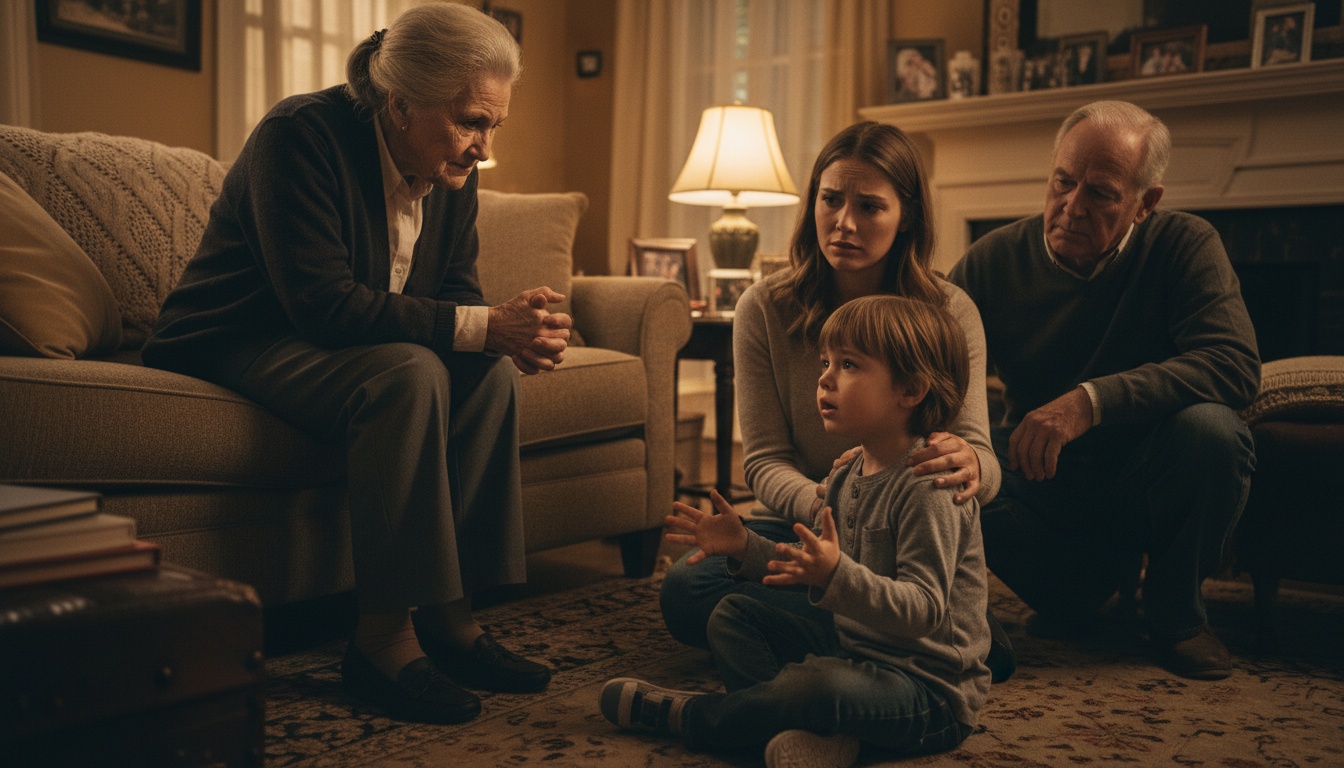
1. Why Language Barriers Grow (And How to Spot Them Early)
Language gaps between grandparents and grandchildren don't happen overnight. They're the predictable result of how immigrant families adapt to new countries over decades.
Tap and speak in English
Tap to start
The pattern is consistent across cultures. First-generation immigrants (the grandparents) maintain their native language as their primary communication tool. Their children — the parents — become bilingual out of necessity. They switch between heritage language at home and English at work or school.
By the third generation, English dominates. Bilingual children often understand fragments of their grandparents' native language. Yet they can't hold meaningful conversations.
Geographic separation accelerates this linguistic evolution. When grandparents live in ethnic enclaves speaking their heritage language daily, while grandchildren grow up in suburban communities where English is the only language they hear, the communication challenges multiply.
The emotional toll hits grandparents hardest. They watch their cultural identity — expressed through language, stories, and wisdom — become inaccessible to the people they love most.
What is Grandparent Alienation Syndrome?
According to family psychology research, grandparent alienation occurs when emotional distance develops between grandparents and grandchildren. Language barriers don't cause intentional alienation, but they create similar effects.
Grandchildren may avoid visits because conversations feel awkward. Grandparents might withdraw because they feel useless when they can't help with homework or understand their grandchildren's interests.
This isn't anyone's fault. Still, recognizing the pattern helps families address it before permanent emotional distance sets in.
2. The Hidden Emotional Impact on Family Relationships
The psychological effects ripple through multiple generations. What family therapists describe as "linguistic grief" affects grandparents who mourn the loss of their primary way of connecting with family members.
How Language Loss Affects Each Generation
Here's what makes this especially challenging: grandchildren lose access to family history that only exists in their grandparents' memories. Stories about ancestors, explanations of cultural traditions, and hard-won life lessons get trapped behind language barriers.
The middle generation — the parents — often becomes exhausted from constant translation duties. They feel guilty about their children's limited heritage language skills while managing their own parents' frustration.
Yet some of the strongest grandparent-grandchild bonds develop precisely because communication requires more creativity and patience.
3. 5 Non-Verbal Ways to Connect When Words Fail (That Actually Work)
Physical affection transcends every language barrier. Hugs, hand-holding, and gentle touches communicate love without translation.
In October 2024, I watched my neighbor Mrs. Chen, who speaks minimal English, light up her four-year-old grandson's face when she arrived with origami paper. They spend hours folding cranes together, pointing and laughing when attempts go sideways.
Cooking creates natural teaching moments. Grandparents can demonstrate traditional recipes while grandchildren help measure, mix, and taste. The kitchen becomes a classroom where cultural knowledge transfers through actions rather than words.
Creative Activities That Build Connection
Music works magic across generations. Singing lullabies, humming folk songs, or even dancing to grandchildren's favorite pop songs builds emotional connections. The melody carries meaning when words can't.
Photo albums become storytelling tools. Grandparents can point to pictures and use gestures to explain relationships, events, and family history. Children naturally ask questions, creating opportunities for basic vocabulary exchange.
Age-Appropriate Non-Verbal Activities
Toddlers (2-4) thrive with sensory experiences. Playing with playdough, finger painting, or simple peek-a-boo games require no shared language.
School-age children (5-12) can handle more complex projects. Building model airplanes, planting gardens, or learning card games creates structured interaction time.
Teenagers (13+) often connect through technology collaboration. Teaching grandparents to use smartphones while learning about their heritage creates mutual learning opportunities.
The catch is, technology solutions work even better than traditional activities...
4. How Translation Apps & Video Calls Bridge the Language Gap (Real Examples)
Translation apps have transformed intergenerational communication. The technology isn't perfect in basic apps. Nuanced expressions often get mangled. Yet newer solutions like LiveLingo use AI to preserve emotional tone and cultural context, opening doors for deeper conversations about family stories and traditions.
Video calling platforms like WhatsApp and FaceTime work especially well because facial expressions and gestures supplement limited vocabulary. Grandparents can show grandchildren around their homes, gardens, or neighborhoods during virtual visits.
Language learning apps create opportunities for mutual education. Duolingo's family plans let grandparents learn English while grandchildren pick up heritage language basics. The gamification makes it feel like play rather than work.
Voice message apps solve timing issues while preserving cultural connection. Grandparents can record bedtime stories in their native language for grandchildren to hear later — creating a permanent record of their voice, accent, and storytelling style that children will treasure long after they're gone.

Setting Up Technology for Success
Start with one platform and master it completely before adding others. Overwhelming less tech-savvy grandparents with multiple apps creates frustration.
Schedule regular practice sessions. Technology skills need reinforcement, especially for older adults who didn't grow up with smartphones.
Create backup communication methods. When WiFi fails or apps crash, having alternative ways to connect prevents disappointment.
5. Teach Each Other: 4 Language Learning Methods That Don't Feel Like School
Family vocabulary exchanges work better than formal language classes. Start with ten essential words: basic greetings, family member names, and common household items.
Children's books in both languages become teaching tools. Reading simple stories together lets grandparents practice English pronunciation while grandchildren hear heritage language sounds.
Labeling household objects creates passive learning opportunities. Sticky notes with words in both languages on refrigerators, doors, and furniture help everyone pick up vocabulary naturally.
Community cultural centers often offer intergenerational language programs. These classes acknowledge that both generations need support, not just the grandchildren learning heritage languages.
Progress happens in tiny increments. Celebrating when a grandchild successfully orders food in grandma's native language during restaurant visits creates positive reinforcement for continued effort.
6. When to Get Help: Professional Resources That Solve Serious Language Barriers
Sometimes families need outside help. Family therapists who specialize in bilingual parenting challenges understand the unique dynamics of multilingual households.
Cultural mediators can bridge gaps during important family discussions. They help with sensitive topics like inheritance, medical decisions, or family traditions when language proficiency becomes essential.
Support groups for distant grandparents provide emotional outlets. Many community centers offer these programs specifically for grandparents struggling with language shift in their families.
Professional translation services work for formal documents. Birth certificates, medical records, and legal papers need accurate translation when grandparents help with important family business.
7. Stop Language Barriers Before They Start: 4 Strategies for New Families
Early intervention prevents severe language barriers. Families can establish family communication strategies before the generational divide becomes too wide.
Designate heritage language days. One day per week, the entire family commits to speaking only the grandparents' native language at home.
Create language learning incentives. Children who maintain conversational ability in heritage language earn special privileges or recognition.
Document family stories early. Record grandparents telling traditional stories, explaining cultural holidays, or sharing family recipes while children are still learning both languages.
The generational divide doesn't have to become permanent. Families who address linguistic differences early often maintain stronger connections across generations.
8. Preserving Culture While Building New Bridges
Heritage language preservation doesn't require perfect fluency. Even basic conversational ability lets grandchildren access cultural knowledge their grandparents carry.
Family documentation projects create lasting value. Recording grandparents telling traditional stories, explaining cultural holidays, or sharing family recipes preserves knowledge for future generations regardless of current language barriers.
The middle generation plays a vital bridging role. Parents who maintain some heritage language skills can facilitate conversations, translate complex topics, and model respectful communication across linguistic differences.
Building long-term frameworks means accepting that communication will always require extra effort in multilingual families. This effort often creates stronger bonds than families who share the same language take for granted.
Small victories deserve recognition. When a grandparent successfully helps with homework using a translation app, or when a grandchild remembers to use a greeting in heritage language, these moments build momentum for continued connection.
The families that work hardest at communication often end up closest. The intentionality required to bridge language gaps creates deeper appreciation for time spent together.
9. Setting Appropriate Grandparent Boundaries
Language barriers complicate boundary-setting in multigenerational families. Grandparents may feel excluded from important decisions because they can't participate in complex discussions.
Clear communication protocols help. Establish which family member translates during important conversations, and ensure grandparents understand their input is valued even when language slows down the process.
Respect cultural differences in grandparent relationship building. Some cultures expect grandparents to have more authority, while others emphasize nuclear family independence. Language barriers can amplify these tensions.
Create structured interaction times. Regular scheduled visits with planned activities reduce pressure on spontaneous conversation while building consistent connection patterns.
10. Key Takeaways
- Language barriers between grandparents and grandchildren develop naturally as immigrant families integrate over generations
- Non-verbal communication through cooking, music, and physical affection builds strong emotional connections without shared language
- Translation apps and video calling technology provide practical tools for basic conversations across linguistic differences
- Gradual vocabulary learning works better than formal language classes for busy families
- Cultural preservation happens through documented stories and traditions, not just spoken language fluency
- Professional support from cultural centers and family therapists can help with complex emotional impacts of language barriers
- The extra effort required for cross-linguistic communication often creates stronger family bonds than monolingual families experience
Ready to bridge the language gap? LiveLingo offers 5 minutes of free daily translation — no credit card required — so you can test real-time conversations risk-free.
Have Real Conversations with Your Grandchildren Today
LiveLingo translates voice calls in real-time so grandparents and grandchildren can talk naturally on WhatsApp, FaceTime, or regular phone calls. Start with 5 free minutes daily—no credit card needed.
Start Talking Now