 LiveLingo
1. Why Is German-English Translation So Challenging?
German-English translation is difficult due to five main factors: compound words that don't translate directly, verb placement at the end of sentences, a complex case system that changes noun forms, false cognates, and heavy reliance on context. Each of these challenges trips up both machine translation and human translators.
Tap and speak in German
Tap to start
German throws curveballs that make even seasoned translators sweat. The language builds compound words like Lego blocks — "Verschlimmbessern" (making something worse by trying to improve it) doesn't exist in English dictionaries, yet native speakers use it daily.
Beyond compound words, word order flips everything you know about English grammar. In German, verbs often hide at the end of sentences, making real-time translation a nightmare for AI systems that process words sequentially.
Even more challenging is the case system. German nouns change form based on their grammatical role, something English abandoned centuries ago. Machine translation struggles when "der Hund" (the dog) becomes "den Hund" (the dog as direct object) — same dog, different article, completely different meaning to the algorithm.
False cognates create the most embarrassing mistakes. "Gift" means poison in German, not present. "Bekommen" means to receive, not to become. These traps catch even advanced learners off guard.
Beyond false cognates, context matters more in German than most languages. "Bank" could mean a financial institution or a park bench. Without surrounding context, even the best AI translation tools often struggle with such ambiguities.
2. What Are the Best German-English Translation Tools?
DeepL typically performs well for complex texts and idioms, Google Translate excels for mobile and real-time conversation, SYSTRAN specializes in technical documents, Langenscheidt offers dictionary integration for learners, and Microsoft Translator integrates with Office. Your choice depends on content type, accuracy requirements, and software integration needs.
Here's how the top five tools compare across different use cases:
DeepL for German translation often leads the pack on complex German texts. Their neural network was trained specifically on European language pairs, and it shows. DeepL often handles nuanced meanings well and may correctly translate complex terms like "verschlimmbessern" while other tools may return less accurate results.
The free version has character limits that vary by usage type — enough for emails and short documents, but you may hit limits on reports or longer business communications. DeepL Pro removes many length restrictions while adding document translation for PDFs and Word files — meaning you can translate entire contracts or technical manuals in seconds instead of copying/pasting sections.
Google Translate for mobile translation dominates mobile usage despite varying accuracy. The camera translation feature can be useful in restaurants, though it struggles with handwritten German text. Google's strength lies in speed and integration — it works inside Gmail, Chrome, and Android keyboards without missing a beat.
Real-time conversation mode can be helpful during supplier calls with German manufacturers — potentially eliminating the need for a human interpreter and reducing meeting prep time. The audio quality isn't perfect, but it's fast enough for basic business communication.
SYSTRAN for technical translation targets technical translation with industry-specific engines. SYSTRAN offers industry-specific translation capabilities and has been serving organizations since the 1960s. Their automotive and medical dictionaries often outperform general-purpose tools on specialized German documents.
SYSTRAN covers multiple languages including German to English and can translate various document formats.
Langenscheidt German dictionary offers comprehensive German dictionary integration. Langenscheidt's online dictionary provides detailed explanations beyond simple translation, making it useful for learners who need grammatical context.
Unlike pure machine translation, Langenscheidt shows grammatical context, usage examples, and pronunciation guides. It's slower than AI-powered tools but more educational.
Microsoft Translator excels in business environments with integration across Office applications. The conversation feature supports multiple participants — enabling you to facilitate international meetings with German partners, though complex business discussions may still benefit from professional interpretation. Translation quality varies but integrates well with existing Microsoft workflows.
How Accurate Are These Translation Tools?
Accuracy varies by content type. Professional services typically score highest overall, while specialized AI tools often achieve strong performance on technical content. General-purpose tools vary in their accuracy rates. Idioms and compound words remain the biggest challenge across all platforms.
| Tool | Casual Conversation | Business Documents | Technical Manuals | Overall |
|---|---|---|---|---|
| DeepL | Strong | Strong | Strong | Strong |
| Google Translate | Good | Good | Moderate | Good |
| SYSTRAN | Good | Strong | Excellent | Strong |
| Langenscheidt | Strong | Good | Good | Good |
| Microsoft Translator | Good | Good | Moderate | Good |
Business document accuracy matters most to corporate users. Technical translation often shows the biggest gaps between tools — specialized engines typically perform better on automotive manuals while general-purpose translators may struggle with industry terminology.
Should You Pay for a Translation Tool?
Free tools work well for occasional personal use (travel, social media, casual emails). Paid subscriptions often justify themselves for businesses translating regularly, offering features like increased character limits, document uploads, API access, and team collaboration. Regular business users often find value in premium features through time savings.
| Feature | Free Tier | Paid Tier |
|---|---|---|
| Character Limit | Varies | Typically Increased |
| Document Upload | Limited/None | Yes |
| API Access | No | Yes |
| Team Collaboration | No | Yes |
| Cost | Free | Varies by provider |
Monthly subscriptions make sense for regular users, but occasional translators can stick with free options.
If you need real-time voice translation beyond text, explore conversation-based translation tools to see how they compare to text-only platforms.
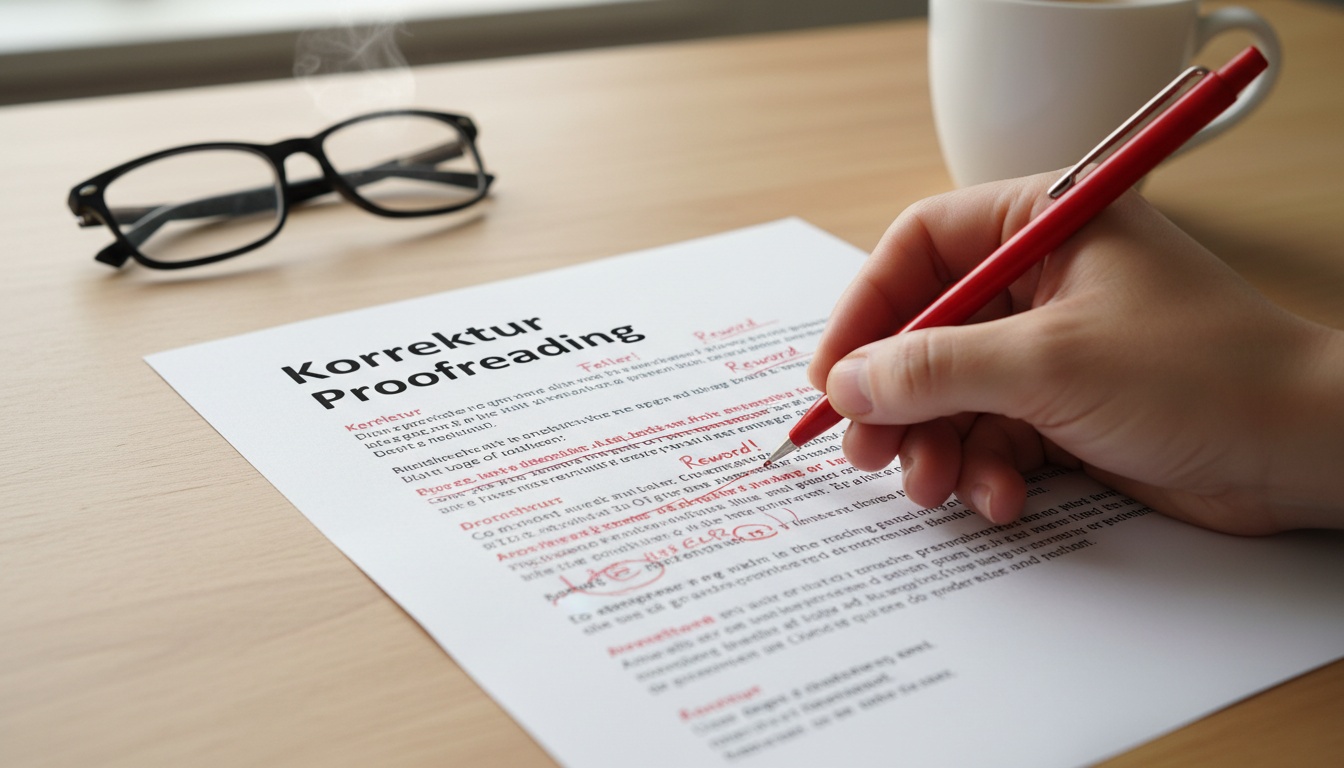
3. What Are the Most Common German-English Translation Mistakes?
The five most common mistakes are: false cognates (Gift = poison, not present), word order errors (verbs at sentence end), capitalization differences (German capitalizes all nouns), compound word failures (Fernweh → literal translations instead of wanderlust), and context-dependent errors (Bank = financial institution or park bench).
False friends destroy more German-English translations than any other error type. We've seen "Gift" translated as "gift" in business contracts (imagine the confusion when German partners discuss "poison" and English speakers hear "present").
A prime example is "Bekommen" — it trips up intermediate learners constantly. The German verb means "to receive" but looks like English "become." Modern machine translators generally handle this correctly, though translation quality can vary by context.
Word order errors plague literal translations. German places verbs at the end of subordinate clauses: "Ich weiß, dass er morgen kommt" literally translates to "I know that he tomorrow comes." Good translation software reorders this to "I know that he's coming tomorrow," but cheaper tools output the literal version.
Capitalization rules differ completely. German capitalizes all nouns; English only capitalizes proper nouns and sentence beginnings. This seems minor until you're translating marketing copy where capitalization affects tone and readability.
Compound words create significant AI translation challenges. "Schadenfreude" entered English unchanged because no direct translation exists. But "Fernweh" (distance pain, the ache for far-off places) often gets translated too literally rather than conveying its meaning as "wanderlust."
How Do You Translate German Idioms to English?
German idioms rarely translate literally. Regional variations (Austrian vs Berlin German) add complexity. Cultural context matters: "Pünktlichkeit" (punctuality) carries deeper weight in German business culture than the English equivalent. Good translators explain cultural significance, not just dictionary definitions.
"Das ist nicht mein Bier" (that's not my beer) means "that's not my problem" in English. Literal translation makes no sense to English speakers.
Regional variations complicate things further. Austrian German uses different expressions than Berlin German, and machine translators trained on standard German miss these nuances.
Cultural context matters enormously. "Pünktlichkeit" translates as "punctuality" but carries deeper cultural weight in German business contexts. Good translators explain the cultural importance, not just the dictionary definition.
4. How Do Translation Tools Handle Different Content Types?
PDFs with complex formatting break most free tools; specialized engines maintain layout better. Word documents translate more reliably. Website translation requires SEO awareness to avoid potential duplicate content issues. Audio translation works best in controlled environments; background noise reduces accuracy.
Document translation varies dramatically by file type. PDFs with complex formatting break most free tools. Specialized tools often maintain original formatting better while translating accurately.
Word documents translate more reliably since the text structure stays intact. Some platforms handle basic Word files through cloud integration, but formatting gets messy with complex documents.
Website translation presents unique challenges. Maintaining SEO value while translating German content requires tools that understand meta tags, alt text, and URL structures. Automated website translation can create duplicate content issues that may harm SEO rankings.
Do Technical Documents Need Special Translation Tools?
Yes. Industry-specific terminology demands specialized engines. Medical German includes Latin-derived terms absent from general dictionaries. Legal documents often require certified human translators for official validity. Financial translations need context awareness. Specialized tools often outperform general-purpose translators on technical content.
Medical German includes Latin-derived terms that don't exist in general dictionaries. Specialized medical engines handle "Herzinsuffizienz" correctly as "heart failure" while generic tools might suggest "heart insufficiency."
Legal documents often require human oversight regardless of AI quality. German legal terminology has precise meanings that machine translation approximates but doesn't capture exactly. Contracts typically need certified human translators for legal validity.
Financial translations present similar challenges. "Eigenkapital" means "equity" in financial contexts but "own capital" literally. Context determines correct translation, and mistakes here cost money.
What Are the Best Audio Translation Options?
Voice input capabilities vary widely between platforms. Mobile translation apps handle clear German speech reasonably well but struggle with background noise. Some platforms perform better in noisy environments like trade shows.
Live conversation translation works best in controlled environments. It can be successfully used for supplier negotiations, but restaurant conversations with multiple speakers often create confusion.
Pronunciation guides help German learners but aren't available in all translation tools. Some platforms provide detailed pronunciation for both German input and English output.
5. When Should You Use Machine Translation vs Professional Translators?
Use machine translation for content consumption (reading, understanding emails, grasping documents). Use professional translators for content creation (marketing, legal, creative writing). Decision point: stakes. High-stakes communications justify professional costs. Low-stakes content works fine with AI.
Machine translation works well for content consumption — reading German websites, understanding emails, and getting the gist of documents. Instant translation apps excel at quick comprehension tasks where perfect accuracy isn't critical.
In contrast, professional translation services become necessary for content creation. Marketing materials, legal documents, and creative writing require human translators who understand cultural nuances and brand voice.
The decision point often comes down to stakes. High-stakes communications (contracts, medical documents, public announcements) justify professional translation costs. Low-stakes content (internal emails, social media posts, personal correspondence) works fine with machine translation.
Language translation quality has improved dramatically, but context still matters. Technical documents in specialized fields need human oversight even when using the best AI tools.
Ready to test which tool works best for your specific content type? Compare translation tools side-by-side with your actual German documents.
6. How Do You Choose the Right German-English Translation Tool?
Ask three questions: (1) What content types do you translate most? (2) How important is perfect accuracy vs speed? (3) Do you need software integration? Personal users benefit from free tools. Businesses need paid subscriptions for accuracy and document support.
Personal use rarely justifies paid translation subscriptions. Free translation apps handle casual German-English translation adequately for travel, social media, and basic communication. Mobile apps work offline after downloading language packs.
Business requirements demand higher accuracy and document support. Professional translation services or premium AI tools make sense for companies regularly translating German content. The time savings and accuracy improvements pay for themselves quickly.
Integration needs determine platform choice more than translation quality. Teams using Microsoft Office benefit from Microsoft Translator integration. Google Workspace users get better value from Google Translate.
Budget considerations favor free tools for occasional use. Heavy users save time and frustration with paid subscriptions. Calculate your monthly translation volume — regular users often benefit from premium features.
Surprisingly, expensive doesn't always mean better. Some free specialized tools can outperform paid competitors on specific types of technical translations. Test before you buy.
Decision Framework
Ask yourself three questions before choosing a German English translation tool:
- What content types do you translate most often?
- How important is perfect accuracy versus speed?
- Do you need integration with existing software?
Document translators need file format support. Conversation translators prioritize speed over perfection. Business users require collaboration features and usage analytics.
Cost-benefit analysis becomes simple once you know your requirements. Free tools work for personal use. Paid tools pay for themselves in business contexts through time savings and improved accuracy.
Based on your needs assessment above, find your ideal translation tool or try real-time voice translation if you need to handle live conversations with German speakers.
Key Takeaways
- Specialized tools offer better accuracy for complex German texts and idioms
- Google Translate provides the best mobile experience and integration options
- SYSTRAN excels at technical and industry-specific translations with specialized engines
- Free tools work adequately for personal use; businesses benefit from paid subscriptions
- Machine translation handles content consumption well but requires human oversight for content creation
- Test multiple tools with your specific content types before committing to paid plans